June 8, 2026
Choosing the right roofing material for your home is a critical decision that impacts not just the aesthetics of your home, but also its durability, energy efficiency, and overall value. This article guides you through the essential considerations and options an expert roofing contractor will provide during the roofing installation process.
1. Understanding Different Types of Roofing Materials
1.1 Asphalt Shingles
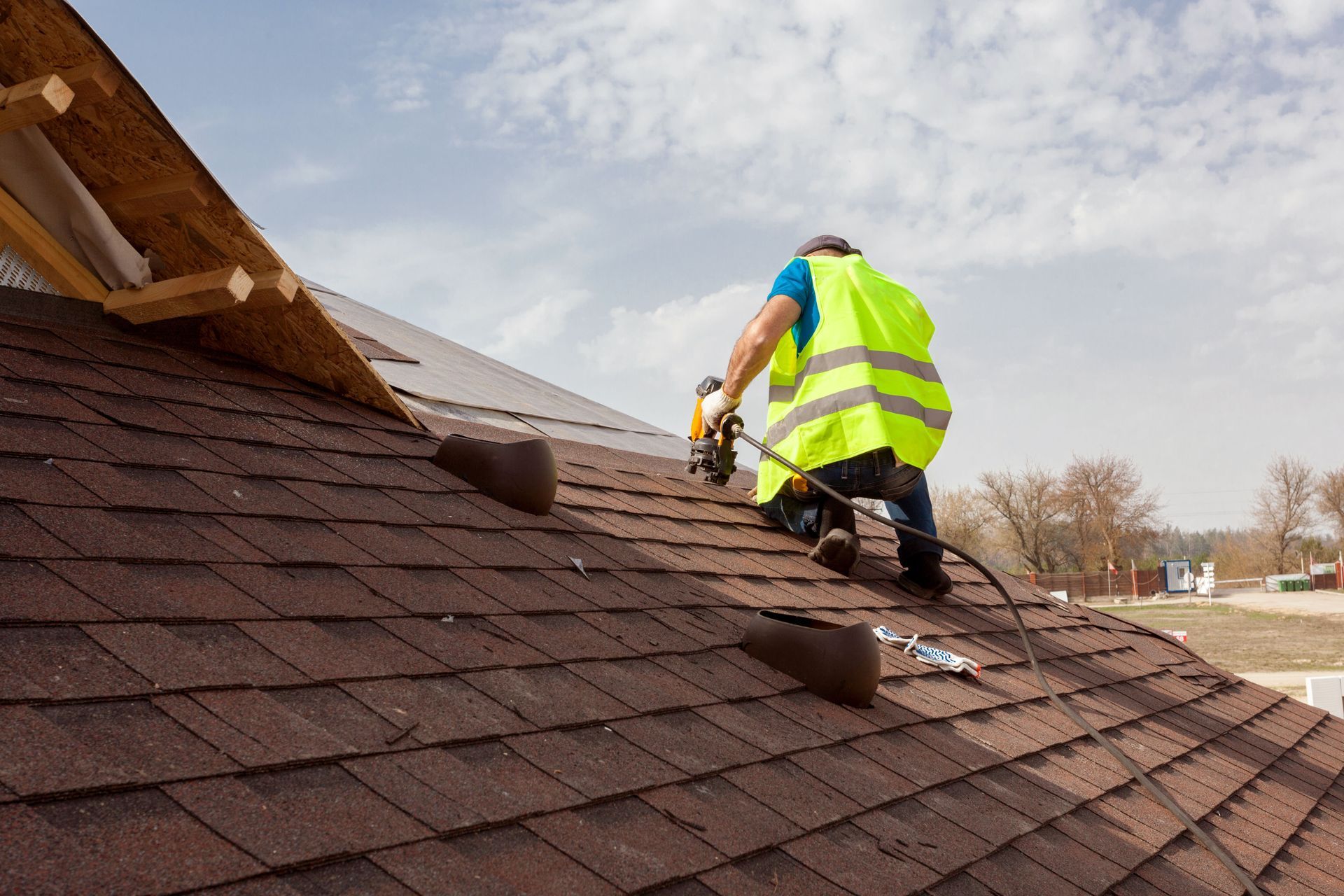
Asphalt shingles are one of the most popular roofing materials due to their affordability and ease of installation. They come in various styles and colors, making it easy to match them with the aesthetic of your home. They are best suited for temperate climates as extreme weather can reduce their lifespan significantly. Additionally, asphalt shingles are made from petroleum products, raising some environmental concerns.
Asphalt shingles remain a cost-effective choice for many homeowners. They require minimal maintenance and are easily repaired in case of damage. Their ability to effectively shed water makes them a suitable choice in areas with moderate rainfall. In terms of aesthetics, asphalt shingles offer versatility with many design options to fit different architectural styles. Their color choice allows homeowners to enhance their curb appeal without breaking the bank. From traditional to modern homes, asphalt shingles can complement various looks.
1.2 Metal Roofing
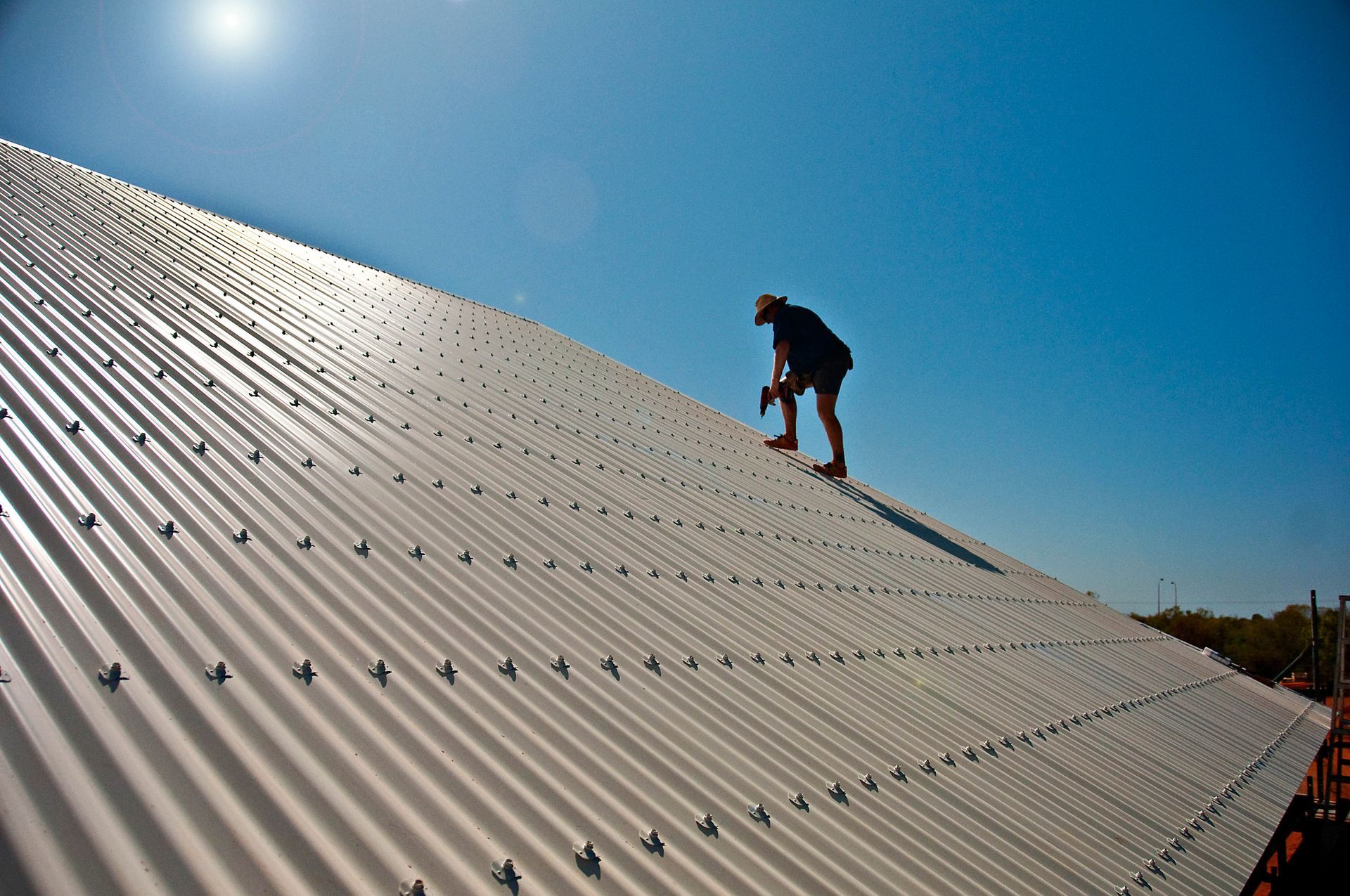
According to This Old House, metal roofing stands out for its exceptional durability and longevity, often lasting from 40-70 years. It is highly resistant to harsh weather conditions, including high winds. This type of roofing provides excellent fire resistance, making it an ideal choice for areas prone to wildfires.
Various styles, including panels and shingles, provide options that can fit different architectural aesthetics. It's important to choose a metal roof suitable for your local climate to ensure its durability and performance. Modern advancements in metal roofing include innovative designs that mimic traditional roofing materials like wood and slate. This allows homeowners to enjoy the advantages of metal roofing without compromising on style. An array of colors and finishes provides further customization, enhancing the home's overall appearance. Soundproofing technology in newer metal roofs has reduced noise concerns during rain and hail. Always consult with a professional roofing contractor to determine the best metal roofing option for your home.
1.3 Slate and Tile Roofing
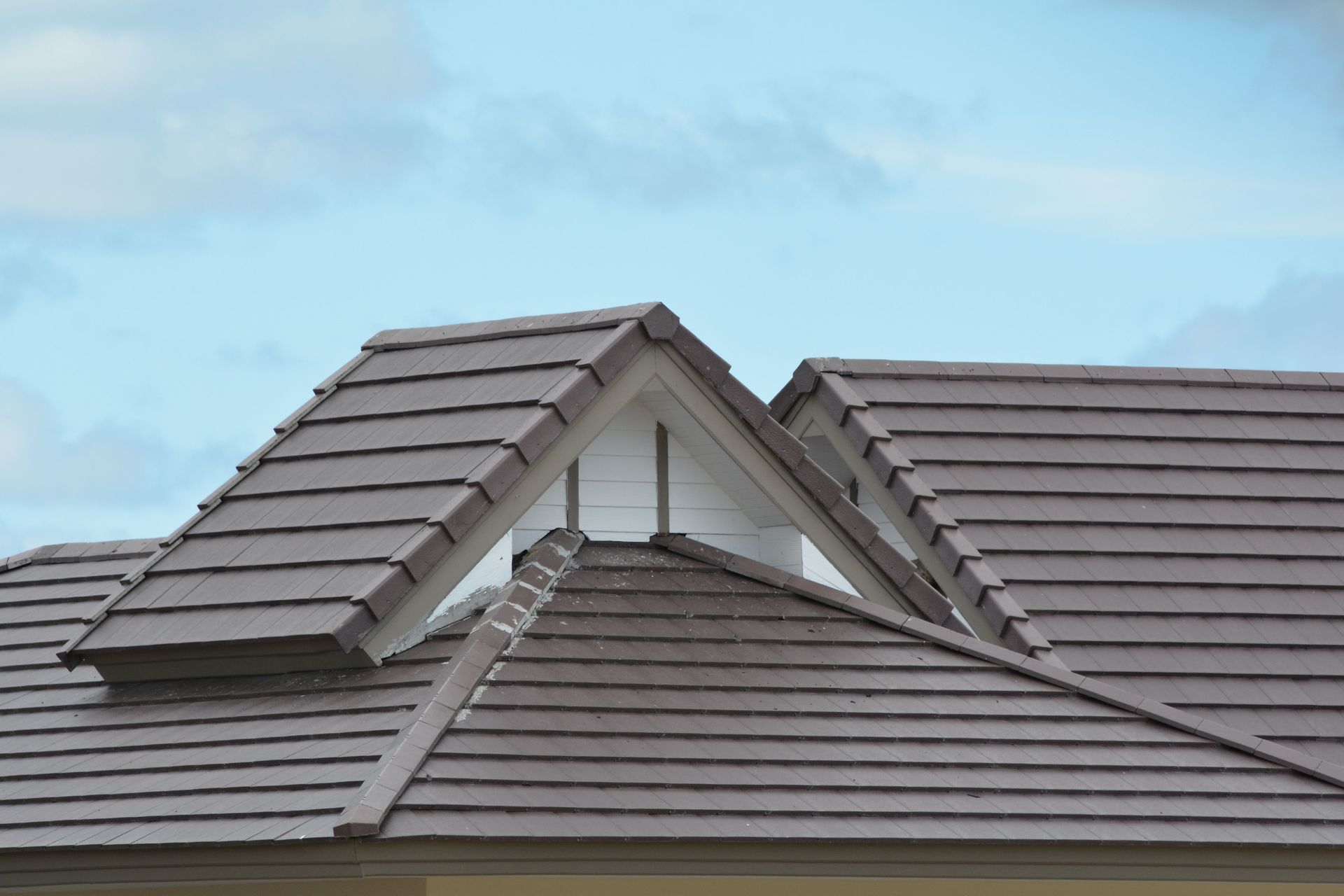
Slate and tile roofing are renowned for their unparalleled durability and elegant appearance. In our experience as a knowledgeable roofing contractor, slate tiles can last over 100 years, proving their worth over time. Clay tile roofing offers similar longevity, making both options ideal for long-term investments.
The aesthetic appeal of slate and tile roofing is undeniable, often enhancing the architectural style of traditional and historic homes. Their natural colors and textures create a distinct look that is both luxurious and timeless. Their longevity and low maintenance make them attractive for those valuing permanence over quick replacement. Their cooling properties are beneficial in hot climates, reducing energy costs related to temperature control.
2. Evaluating Climate and Weather Conditions
2.1 Impact of Rain and Moisture
When selecting a roofing material, it's important to assess how it will perform in wet climates. Materials like metal and slate have excellent water resistance, making them ideal for high rainfall areas. Evaluating local weather conditions can provide essential insights into which materials will fare best in your area.
Additionally, synthetic roofing materials are engineered to resist moisture, making them a sound choice in rainy environments. Proper installation is crucial to prevent leaks and ensure effective water drainage. Ensuring adequate ventilation and insulation can further enhance a roof's moisture resistance, safeguarding the internal structure of the home. In regions with heavy rainfall, selecting roofing with good drainage properties helps to mitigate issues like pooling and leaks. Considering these factors during the selection process helps prevent future complications and preserve your roof's integrity over time.
Homeowners should also consider the impact of ongoing moisture exposure on energy efficiency. Materials that insulate effectively while resisting moisture can provide additional savings on heating and cooling costs. Metal roofs, for instance, contribute to energy efficiency by reflecting heat during hot months, a benefit that is not compromised by rain. Analysis of regional trends and expert consultation can guide homeowners toward the best decision, ensuring that the chosen material supports the home's structural and energy needs. Investing in high-quality materials that match your environment will protect your home in the long run.
2.2 Resistance to Wind and Storms
Choosing a roofing material with excellent resistance to wind and storms is crucial in areas prone to such conditions. Metal roofs are highly regarded for their ability to withstand high winds. This makes metal an excellent choice in hurricane-prone regions, providing peace of mind in extreme conditions. Investing in wind-resistant materials can protect your home from costly storm damages.
The design and installation of your roof can significantly impact its performance during storms. For example, interlocking designs and high-quality underlayment can provide additional protection against the elements. Ensuring that roofing materials are securely fastened reduces the risk of detachment during windstorms. Consulting with a roofing contractor experienced in storm-resistant installations will ensure your roof meets local wind and storm codes. Being informed about local weather trends and potential storm impacts can aid in selecting the most adequate roofing solution for your home.
In addition to its resilience, metal roofing's reflective properties aid in temperature regulation, increasing the home's energy efficiency in all weather. Properly assessed and installed, durable roofing materials will provide not just structural security but also insurance benefits. Homeowners should seek feedback from those who have experienced extreme weather with different roof types to gain real-world insights. As climate conditions continue to evolve, prioritizing materials with proven storm-resistance ensures long-term protection and value. The choice of resilient roofing thus becomes an investment in your home's structural future.
2.3 Heat and Energy Efficiency
With energy costs constantly fluctuating, the choice of roofing material can influence household expenses significantly. This is especially beneficial in hot climates, where reducing heat absorption can significantly lower air conditioning usage. By selecting energy-efficient roofing, homeowners can achieve lower utility bills and enhance indoor comfort.
Homeowners should also consider how different materials contribute to the home's insulation capabilities. Slate and tile roofs provide insulating qualities that keep homes cool in summer and warm in winter, reducing the strain on heating and cooling systems. Ensuring that your roof design includes adequate ventilation will further improve energy performance regardless of the material selected. Expert advice can guide you in integrating energy-saving technologies into your roofing system for best results. As energy awareness increases, materials offering energy efficiency become essential in modern home design.
Evaluating the energy benefits of various roofing materials also entails understanding their environmental impact. While natural materials like slate and tile are sustainable, metal options are increasingly designed with eco-friendly features. Innovations like solar-reflective coatings and integrated solar panels are gaining traction in energy-efficient roofing systems. Homeowners should consider current installation costs relative to the potential long-term savings in their evaluation. Comprehensive research and expert insights are essential in selecting a roofing material that aligns with both energy consciousness and environmental responsibility.
2.4 UV and Sunlight Exposure
Prolonged sunlight and UV exposure can degrade many roofing materials, affecting color and structural integrity. Reflective materials like metal roofs offer robust defense against UV rays, maintaining their appearance and functionality over time. As premium options, slate and tile also resist UV exposure, retaining their color and charm without frequent maintenance. To maximize your roof's longevity, choose materials engineered to endure extensive sunlight exposure.
Choosing durable materials that balance aesthetics and low maintenance demands enhances a home's value and comfort. If you're looking for a roofing contractor who can help you assess what roofing is right for your home, reach out to Alabama Roofing Professionals today!