November 5, 2026
In recent years, metal roofing has emerged as a leading option for agricultural buildings. Its combination of durability, energy efficiency, and cost-effectiveness makes it highly appealing to farm owners. Below, we'll delve into the reasons behind the growing preference for metal roofs in the agricultural sector by examining various aspects such as durability, environmental impact, and economic benefits. The need for reliable and long-lasting solutions in farming infrastructure has only heightened as more landowners prioritize professional roof installation to optimize their operations. By considering these factors, metal roofing demonstrates its suitability for a diverse range of agricultural applications.
Durability and Longevity
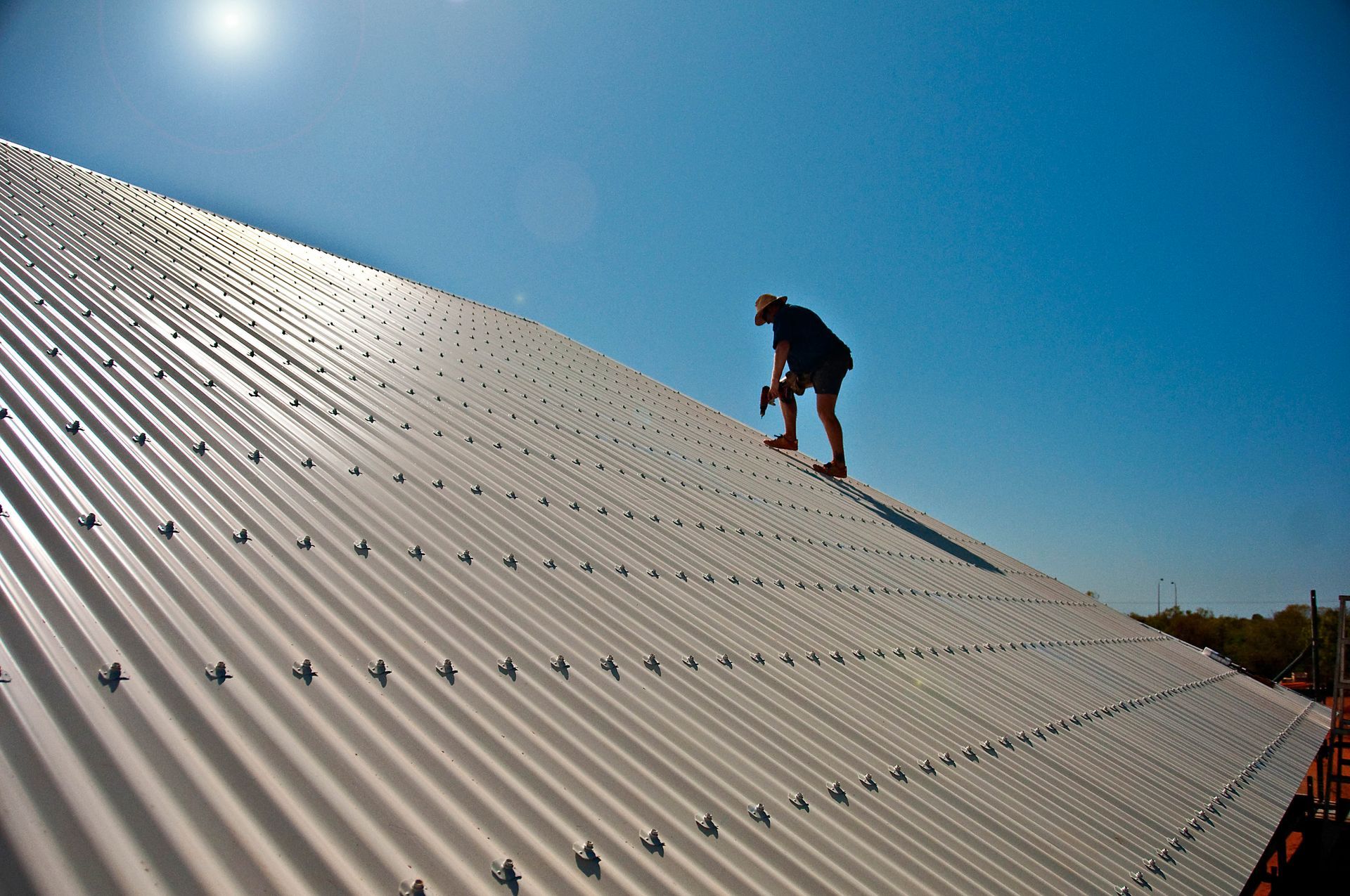
When it comes to durability, few roofing materials can compare to metal. Metal roofing offers outstanding weather resistance, with the strength to withstand extreme weather conditions like high winds and hail. This resilience is particularly valuable in agricultural settings, where exposure to the elements is a constant threat. The robust nature of metal roofs reduces the risk of damage and subsequent repair needs, ensuring seamless protection for the important structures beneath. Quality roof installation not only protects investments but also ensures that the daily operations of farming activities can continue unimpeded.
Modern metal roofs are often treated with specialized coatings that enhance their longevity by preventing rust and corrosion. These coatings significantly reduce the impact of humidity and precipitation on metal surfaces, extending the lifespan of the roofs. Corrosion resistance is especially advantageous in the agricultural sector, where various environmental factors can accelerate material degradation. Additionally, metal's inherent characteristics help preserve structural integrity over time compared to traditional roofing materials like asphalt shingles. The longer a roof lasts, the more economical it becomes in terms of maintenance and replacement costs, making metal roofing a sound investment.
The fire resistance of metal roofs is another important factor contributing to their popularity among agricultural buildings. Metal roofs are non-combustible, offering a high degree of protection against fires that may originate from nearby structures or external sources. This quality is crucial, particularly in rural or heavily wooded areas where fire risk is notable. Their fire-resistant nature not only protects valuable assets but also provides peace of mind to farm owners concerned about possible fire hazards. With minimal maintenance requirements, metal roofs allow for resource allocation in other critical areas, making them a preferred choice for the agricultural sector.
Energy Efficiency and Insulation
One of the most compelling attributes of metal roofing is its energy efficiency, driven by its impressive reflective properties. Metal roofs reflect a significant portion of solar heat, reducing the amount absorbed by the building. This feature is especially beneficial during hot months when energy costs for cooling can be exorbitant. Reflecting solar energy contributes to lower indoor temperatures, resulting in more comfortable working environments and less strain on cooling systems. The contribution of metal roofing to energy efficiency aligns well with wider sustainability goals in agricultural operations.
Metal roofs work harmoniously with insulation systems, ensuring that buildings maintain a stable interior temperature. Effective insulation is crucial for agricultural buildings that store temperature-sensitive products such as livestock, produce, or feed. By optimizing insulation, these structures experience reduced demand on heating and cooling systems, further decreasing energy consumption. This compatibility not only protects stored assets but can also extend their shelf life, enhancing overall operational efficiency. Implementing proper insulation within a metal roof installation is key to achieving these energy-saving benefits.
Ventilation solutions can be easily integrated during a metal roof installation, enhancing air circulation within agricultural buildings. Proper ventilation is vital for maintaining healthy conditions for livestock and reducing odor, moisture, and airborne pathogens. Moreover, cool roof technology can be applied to metal roofs to further enhance their energy-saving capabilities. This technology involves a specialized coating that increases reflectivity, reducing the heat absorbed by the roof. Such energy-efficient attributes not only result in significant cost savings on energy bills but also contribute to the overall sustainability of farming operations.
Environmental Impact
Metal roofing stands out for its minimal environmental impact, thanks to the recyclability of its materials. Metal roofs can be crafted from recycled content and are fully recyclable at the end of their lifecycle. This characteristic supports a sustainable building approach and reduces the reliance on raw materials. As more agricultural operations aim to minimize their environmental footprint, metal roofing offers a compelling solution. The choice of metal roofing aligns with broader environmental objectives, such as reducing waste and conserving natural resources.
The extended lifespan of metal roofs means fewer replacements are required over time, which directly reduces building material waste. Traditional roofing materials like asphalt shingles have shorter lifespans, resulting in more frequent replacements and increased landfill waste. By contrast, the exceptional durability of metal roofs makes them a more sustainable choice for those concerned with environmental stewardship. Investing in durable materials for your roof installation contributes to a more sustainable lifecycle for agricultural buildings. Ultimately, these practices support the conservation of resources and the protection of the environment.
Manufacturers of metal roofing are increasingly adopting environmentally friendly practices, decreasing the environmental footprint of their production processes. This transition to greener manufacturing involves energy efficiency measures, reduced emissions, and increased use of renewable resources. Furthermore, metal roofing can contribute to earning points in green building certification programs, validating its status as a sustainable choice. According to IBISWorld, the U.S. roofing contractor industry generated over $76 billion in revenue in 2025, reflecting strong demand for roof installation, replacement, and repair services. The growing popularity of metal roofing underscores the industry's shift towards sustainable and responsible manufacturing.
Cost Effectiveness
While the initial investment for metal roofs may be higher than traditional roofing materials, the long-term cost savings are significant. The durability and longevity of metal roofing reduce ongoing maintenance and repair expenses, which can quickly offset the initial costs. Over time, the low maintenance requirements and extended lifespan of metal roofs prove to be a sound financial decision for agricultural building owners. This cost-effectiveness is further enhanced by the energy savings generated through better insulation and reduced cooling needs. Metal roofs thus present a compelling balance of upfront investment and enduring value.
For farm owners seeking a high return on investment, metal roofing offers a promising solution. The energy efficiency, durability, and reduced need for repairs translate into long-term financial gains. Additionally, property value can be improved by the presence of durable and attractive metal roofing, making agricultural buildings more appealing to potential buyers. Financially, the decision to invest in metal roofing is advantageous, yielding dividends over the lifespan of the building. As the demand for efficient and economical roofing solutions grows, metal roofing remains at the forefront of cost-effective choices.
Furthermore, the durability and fire resistance of metal roofs can result in lowered insurance premiums for property owners. Insurance companies often recognize the reduced risk associated with metal roofing, providing another avenue for financial savings. The overall value proposition of metal roofing is considerable, with benefits that extend across various facets of ownership. Effective planning and investment in a metal roof installation, particularly for large agricultural constructions, offer substantial economic advantages. Ultimately, its long-term value outweighs the higher initial investment, positioning metal roofing as a strategic choice for agricultural enterprises.
Numerous factors contribute to the growing popularity of metal roofing for agricultural buildings. From durability and energy efficiency to cost-effectiveness and environmental benefits, metal roofs provide an appealing solution for farm owners. Their versatility and streamlined
roof installation, combined with customizable design features, further highlight their practical advantages. Metal roofs stand out as a wise long-term investment, enhancing both the functionality and aesthetics of agricultural constructions. As the farming industry continues to evolve and embrace sustainable practices, metal roofing enjoys a prominent role in shaping the future of efficient and resilient agricultural infrastructure—so if you are ready to upgrade your agricultural or commercial property with superior craftsmanship and long-lasting protection, contact Alabama Roofing Professionals today to schedule your consultation and get started.