July 29, 2026
Installing a metal roof over existing shingles is a consideration many homeowners face. This method presents benefits like cost-efficiency and time-saving, but also comes with challenges and regulations that need careful evaluation. This post will guide homeowners through the critical considerations and steps involved in deciding whether to install a metal roof over existing shingles with our metal roofer.
Local Building Codes and Regulations
State and City Requirements
Before embarking on a roofing project with a metal roofer, it is essential to understand the local building codes, which vary significantly from one location to another. These regulations ensure that constructions comply with safety, design, and environmental standards. A metal roof overlay project must adhere to local statutes, some of which may require complete removal of existing shingles. Contacting local authorities or visiting city or state websites can provide homeowners with the necessary codes. It's always better to confirm in advance to avoid potential legal or financial penalties.
Building Inspector Consultation
Once local codes are acknowledged, consulting a building inspector can provide additional clarity. Inspectors can conduct assessments to ensure that the proposed roofing project complies with all legal specifications. Their professional insight is vital in evaluating if the current structure can manage additional roofing layers. Such evaluations can save homeowners from costly errors and compromise on safety standards. An inspector can guide in addressing any requirements that might be overlooked by a layman.
Weight Limits and Structural Integrity
Structural integrity is a pivotal consideration in overlay roofing installations. Most homes are designed to support either a single or a double layer of roof covering material, depending on their original design. Consultations with engineers or professionals can help determine if your home can support the weight of both the existing and new metal roofing. Not adhering to weight limits could lead to structural damage over time, resulting in costly future repairs. Ensuring structural viability is paramount to the longevity and safety of the roof structure.
Condition of Existing Shingles
Damage Inspection
Before installing a metal roof with our metal roofer, a thorough inspection of the existing shingles is required. Damage such as cracks, curling, or missing shingles can indicate underlying issues. These problems, if left unaddressed, can affect the effectiveness and lifespan of the new metal roof. Engaging a roofing professional to conduct a comprehensive evaluation is advisable. Temporarily overlooking such issues might only seem like a cost-saving measure but can lead to exacerbated problems in the long run.
Moisture Absorption
Moisture is one of the most common enemies of roof structures. It's imperative to check for signs of water damage or rot within both the shingles and the underlying structures. Soft spots or discoloration can signal moisture retention issues that need immediate attention. Ignoring these signs before overlaying a metal roof might result in mold growth and compromised roofing integrity. Addressing these issues ensures that the new roof installation stands on a robust and dry foundation.
Longevity and Material Type
The longevity of existing shingles is a direct indicator of how soon problems can arise after overlaying them with a metal roof. Shingles nearing the end of their lifecycle may need replacement. Each shingle material, whether asphalt, wood, or others, lasts for an amount of time that should be considered before proceeding. Understanding these time frames can help predict the shingles' performance if covered. This knowledge ensures homeowners make informed choices about roofing projects, potentially avoiding premature failures.
Financial Implications
Cost Comparison
The financial implications of a roofing project with a metal roofer can differ drastically based on the chosen method. Overlaying existing shingles with a metal roof tends to be more cost-effective than full shingle removal. However, it's important to consider long-term costs versus immediate savings. While initial labor and disposal costs are reduced with an overlay, potential future repairs due to unresolved issues can be more expensive. Weighing these factors is crucial for a sound investment in the roofing project.
Long-term Savings and Energy Efficiency
Metal roofing offers energy efficiency through its reflective properties, which can lead to lower energy bills over time. These benefits can offset the initial costs, offering long-term savings. Homeowners should assess the potential reduction in heating and cooling costs by integrating a metal roof. This long-term savings advantage makes metal roofs an attractive option in modern energy-efficient housing discussions. According to Market Research Future analysis, the U.S. metal roofing market is projected to grow from $5.4075 billion in 2025 to $8 billion by 2035, underscoring a trend towards metal roofing's cost-saving potential.
Insurance Factors
Home insurance policies can differ based on the type of roofing material installed. Metal roofs, often seen as more durable and fire-resistant, might offer reductions in insurance premiums. Homeowners should consult with their insurance providers to understand potential premium changes. Documenting discussions and agreements with insurers ensures clarity and avoids future disputes. Insurance considerations are an essential aspect of researching the true financial implications of roofing upgrades.
Metal Roofing Systems
Types of Metal Roofing Materials
There is a diversity of metal roofing materials available from a metal roofer, each exhibiting unique properties. Aluminum, steel, and copper are popular choices, each with benefits and drawbacks. Aluminum is noted for its resistance to corrosion and lightweight nature, while steel is known for durability. Copper offers aesthetic appeal but comes with higher costs. Each material should be evaluated regarding the homeowner's priorities and conditions specific to the residential environment.
Styles and Appearance
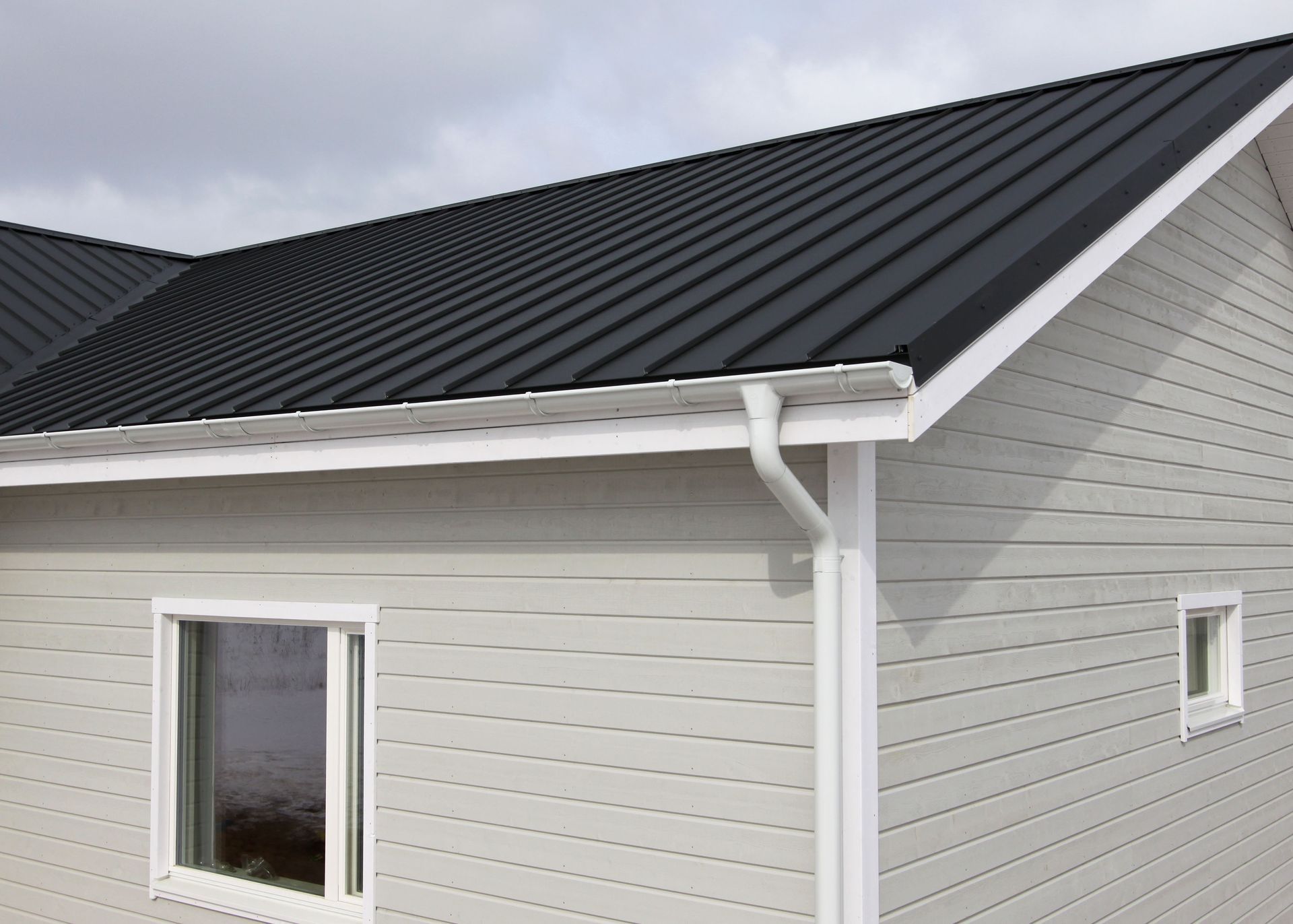
Metal roofs provide a variety of styles to suit different aesthetic preferences. Options range from traditional corrugated styles to sleek, modern designs like standing seam systems. These choices allow homeowners to complement their existing home architecture while meeting functional needs. Investing time in choosing the right style can enhance property value and curb appeal. Balancing aesthetics with practicality is key in the decision-making process for metal roofing.
Installation Techniques
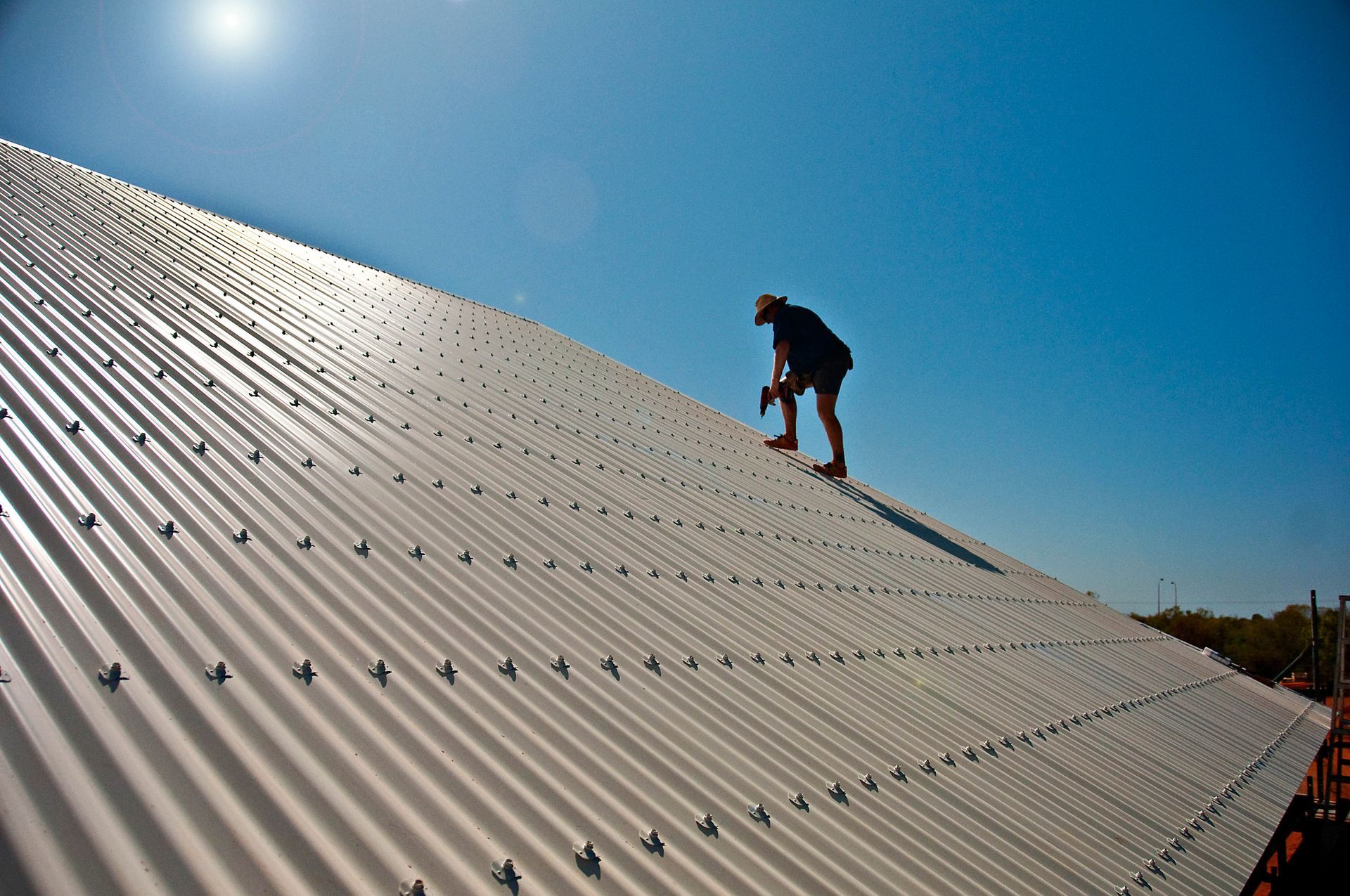
Understanding various installation techniques is essential for achieving desired durability and longevity. The installation method impacts roof performance, with popular techniques like the standing seam providing additional benefits. Proper installation ensures that thermal movement due to temperature changes is managed effectively. Reliable techniques improve the roof's resilience to weather and environmental stresses. Homeowners should collaborate closely with contractors to decide on the most suitable installation method for their circumstances.
Potential Challenges and Solutions
Moisture and Condensation Issues
Moisture and condensation can present significant challenges for metal roofing installations. Adequate ventilation and underlayment are critical for preventing these issues. Without proper management, water infiltration can compromise the roof's structural integrity and lead to problems like mold. Ensuring appropriate drainage and moisture protection is essential to a successful roofing system. These precautions help guarantee a robust and enduring metal roof installation.
Fastener and Sealing Considerations
The choice of fasteners and sealants contributes significantly to the roof's durability and lifespan. The right selection helps secure materials effectively and prevents leaks. Sealing areas vulnerable to moisture intrusion is critical. Regular inspection and maintenance ensure that these components continue performing well. Collaborative discussions with contractors about fastening and sealing choices are vital in crafting a resilient roofing system.
Installing a metal roof over existing shingles is a viable option with our metal roofer, offering numerous benefits. However, it demands a comprehensive understanding of local regulations, structural assessments, financial evaluations, and collaboration with experienced professionals to be successful. By following this guide, homeowners can make informed decisions to ensure their roofing project is both efficient and compliant. For a metal roofer, call Alabama Roofing Professionals today.