July 31, 2026
In recent years, metal roofing has gained significant popularity among homeowners due to its durability, energy efficiency, and aesthetic appeal. According to Grandview Research, the commercial application segment of the metal roofing market is projected to register a CAGR of 5.8% from 2026 to 2033. However, one of the most common dilemmas faced by homeowners considering a metal roof is choosing between standing seam and exposed fastener metal roofs. In this article, we aim to explore these two types of metal roofing, examining their advantages, disadvantages, and suitability depending on your home's climate and individual needs.
1. What are the key differences between standing seam and exposed fastener metal roofs?
1.1 Structural Differences and Visual Appeal
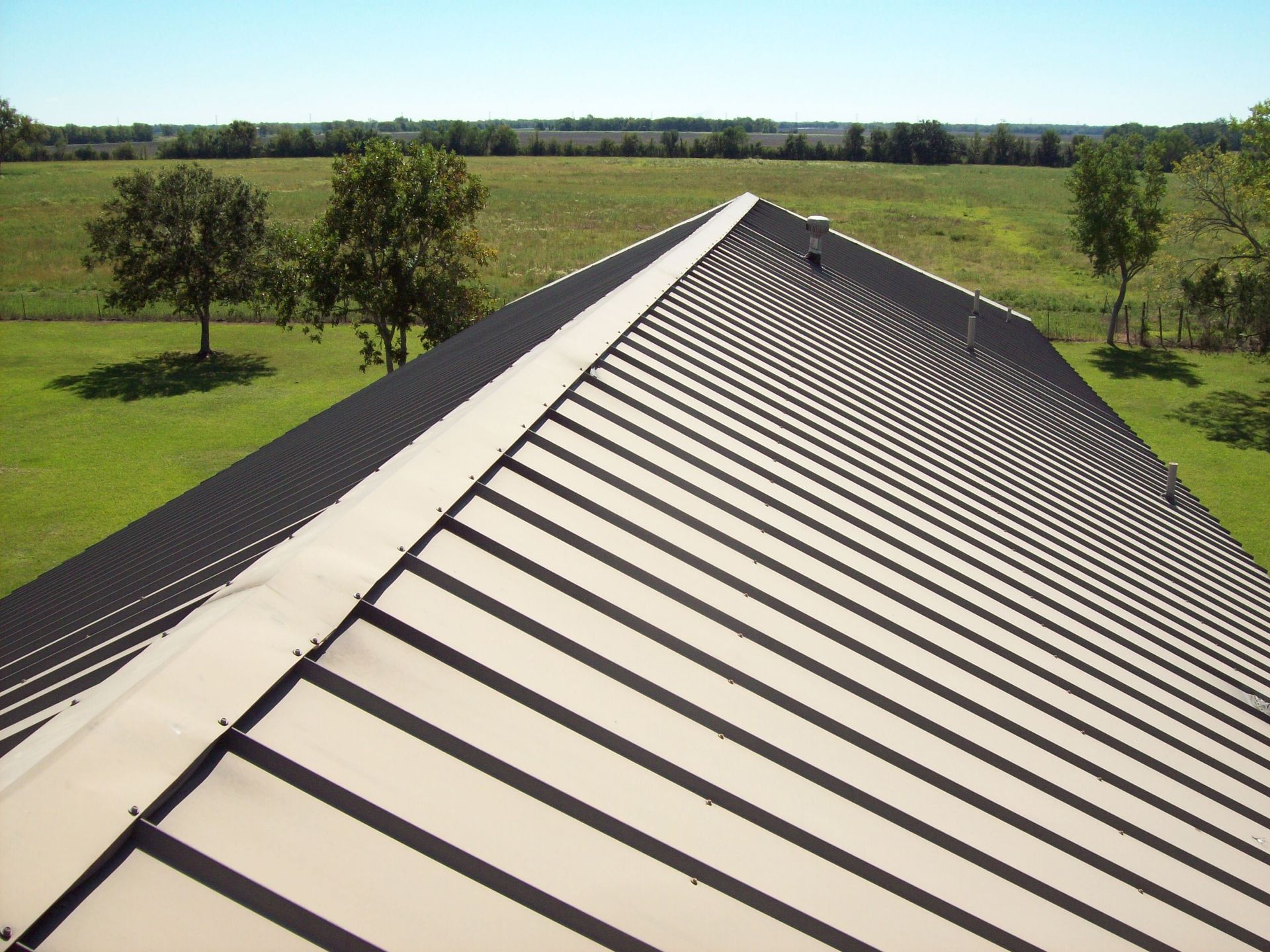
Standing seam metal roofs are characterized by raised seams that interlock and run vertically from the roof's ridge to the eaves. This design not only contributes to their sleek and modern appearance but also ensures water tightness and better protection against environmental elements. In contrast, exposed fastener metal roofs feature visible screws or fasteners which penetrate the metal panels to secure them. While more traditional in appearance, they offer an industrial aesthetic that can enhance certain architectural styles.
The visual appeal of standing seam roofs often attracts homeowners seeking a contemporary look, while exposed fastener roofs tend to blend well with more rustic or industrial designs. The former’s smooth lines offer a clean look that many modern homeowners find attractive. However, the visible screw heads on exposed fastener roofs add character and a certain ruggedness that appeals to those with specific design preferences. Both options serve distinct visual purposes, offering flexibility in roof aesthetics.
Apart from aesthetics, structural differences lead to varying levels of performance. Standing seam roofs are less prone to leakage since they lack exposed screws that can wear out or loosen over time. Meanwhile, exposed fastener roofs, though easier to install, may require additional maintenance to ensure screws remain tight and sealants remain effective. These structural differences contribute significantly to the longevity and maintenance needs of each roof type.
1.2 Performance and Durability in Various Climates
Climate plays a crucial role in determining the suitable type of metal roofing. Standing seam roofs particularly excel in areas with heavy rainfall or snow due to their superior water-shedding capabilities. The absence of exposed fasteners minimizes potential leak points, making them ideal for wet climates. However, in less extreme climates, exposed fastener roofs provide adequate performance without the need for the higher upfront cost of standing seam installation.
In coastal areas where corrosion can be a concern, standing seam roofs are often preferred due to their concealed fasteners and minimized metal exposure. The panels of a standing seam roof also allow for thermal movement without breaking the watertight seal. Exposed fastener roofs, while generally durable, may require more frequent inspection and maintenance in such environments to address corrosion around fasteners. These factors highlight the importance of considering local climate when selecting a metal roof.
Durability can also be influenced by the quality of installation and materials used. Both roofing types benefit from using high-grade metal and proper installation techniques to achieve optimal performance. Metal roofers play a vital role in ensuring the longevity of a metal roof by applying their expertise to install according to each system's distinctive needs. Regardless of the chosen type, regular maintenance is essential to address wear and environmental impact over time.
2. How do metal roofers approach installing standing seam vs. exposed fastener systems?
2.1 Installation Process for Standing Seam Roofs
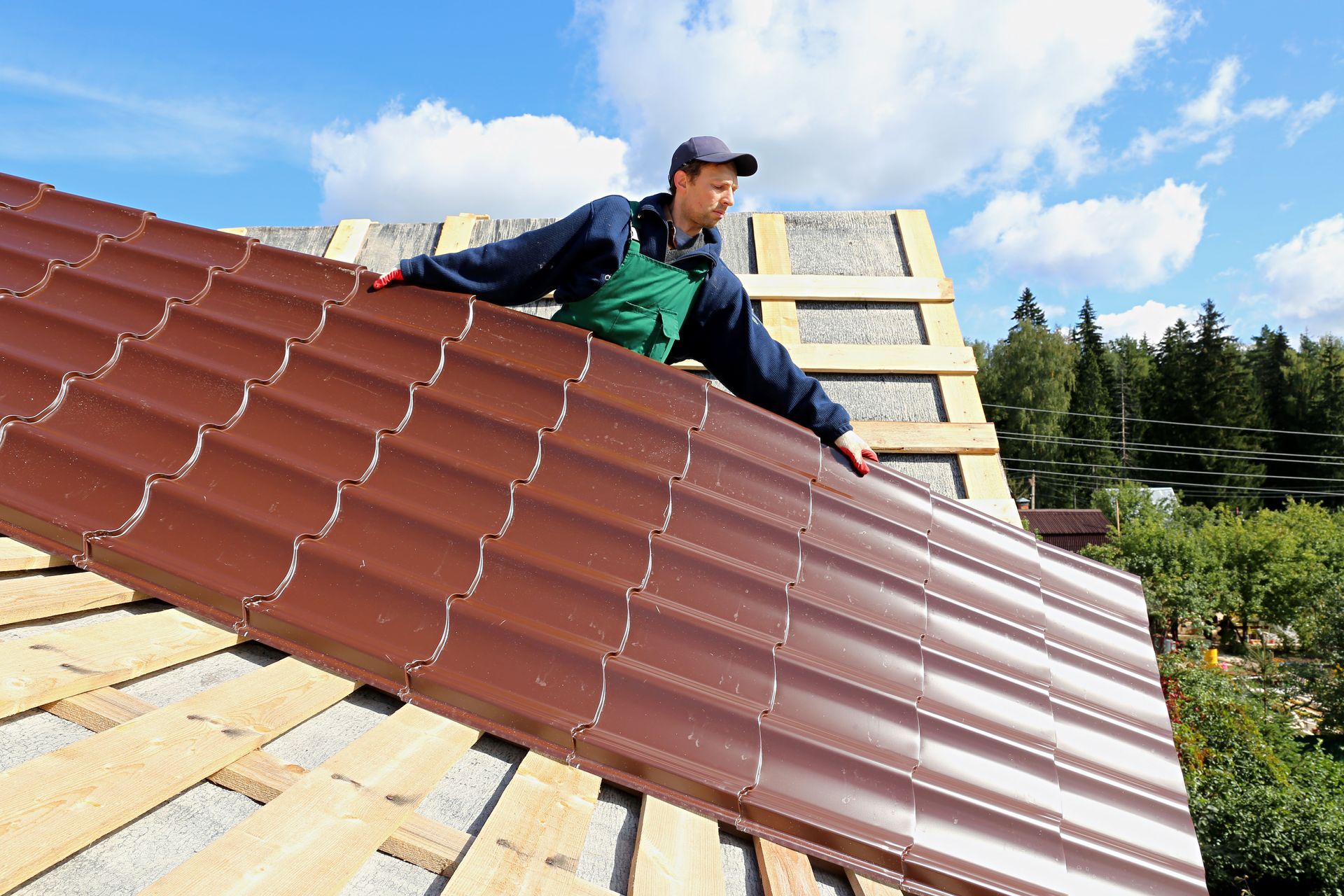
The installation of standing seam roofs demands precision, given their distinctive interlocking mechanism. Metal roofers initiate the process by preparing the roof deck, ensuring it is clean and suitably primed for panel placement. Special attention is paid to correctly align the first panel, as this determines the correct alignment of subsequent panels. Metal roofers then use specialized seaming equipment to crimp and interlock the panels, creating a watertight seal crucial for the roof’s performance.
Professional expertise is central to the successful installation of standing seam roofs. Even minor deviations during the panel alignment can compromise the entire roofing system’s integrity. Metal roofers employ careful measurement and adjustments during installation, facilitating the seamless integration of panels. The precise nature of this work underscores the importance of hiring experienced contractors who are knowledgeable about the specific requirements of a standing seam installation.
The use of appropriate tools is vital to ensure the efficacy and safety of the installation process. Tools such as seaming machines are employed to tightly lock panels, necessitating proficiency and experience from the installer. Careful execution of every step, from panel alignment to final crimping, contributes to a durable and aesthetically pleasing roof. As this process relies heavily on specialized skill, engaging professional metal roofers for a standing seam installation provides confidence in achieving optimal results.
2.2 Installation Process for Exposed Fastener Roofs
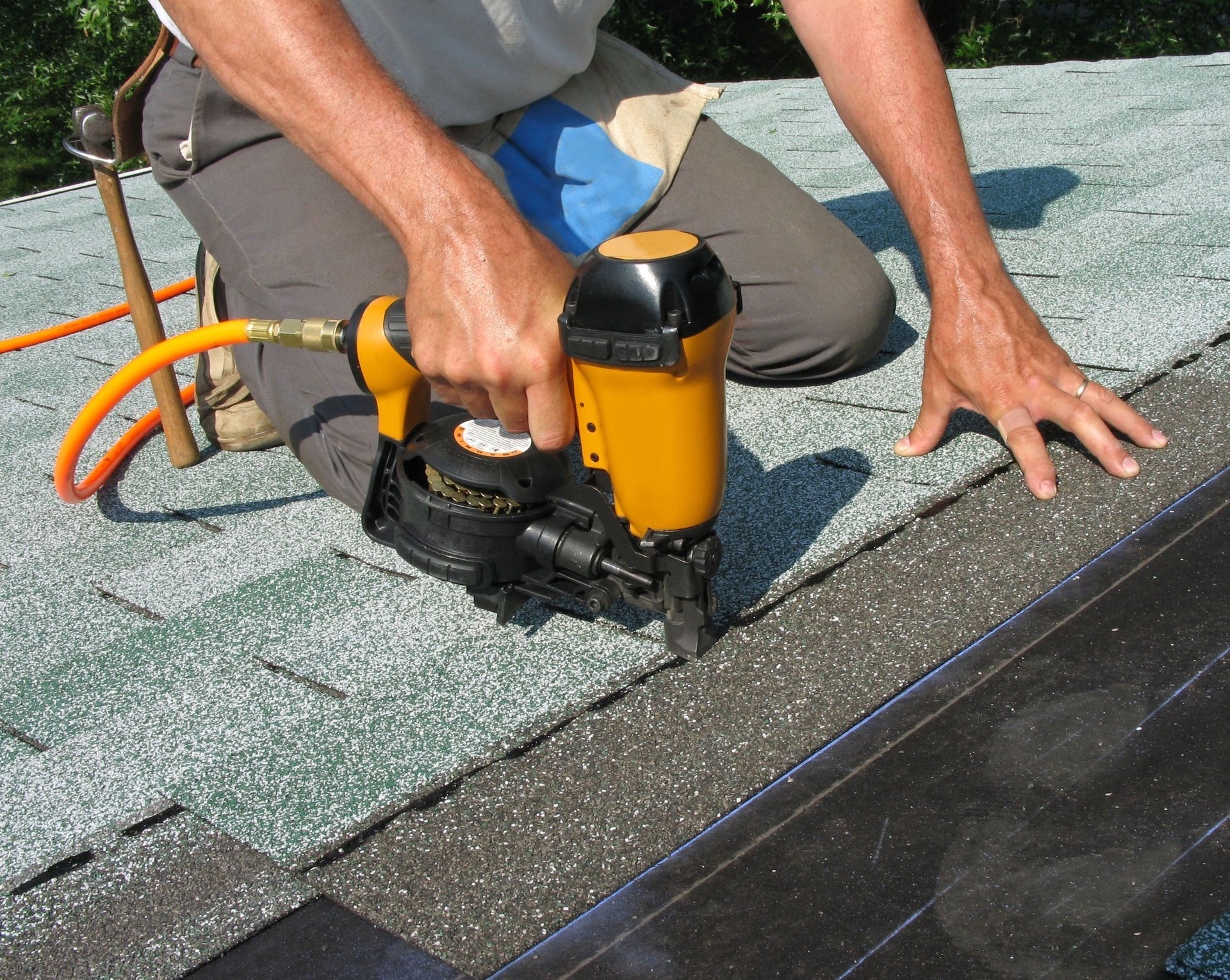
Exposed fastener roofs offer a more straightforward installation process that is accessible for DIY enthusiasts, given the system’s less complex panel attachment process. The method involves positioning panels and fastening them directly onto the substrate using screws that are visible from the roof’s exterior. This simplicity in method allows for faster completion times, making it a preferable choice for installations requiring less time commitment. Additionally, the accessibility of this system can translate into lower labor costs.
Despite its simplicity, the installation of exposed fastener roofs is not without the need for meticulous attention to detail. Proper alignment of fasteners is crucial to avoid potential leakage points and ensure the roof’s structural stability. Care must be taken to avoid overtightening screws, which could compromise the integrity of the seal around the fastener. A methodical approach and accuracy during the installation process underscore its success, affirming the importance of engaging knowledgeable metal roofers who can address such considerations.
3. Which metal roofing option offers better durability for various climates?
3.1 Performance in Hot Climates
Hot climates necessitate reflective and heat-resistant roofing materials to maintain energy efficiency and mitigate cooling costs. Standing seam roofs excel in these environments due to their reflective paint options and ability to adapt thermal expansion without compromising seams. These features contribute to their superior longevity and performance under high-temperature conditions. Exposed fastener roofs, while also heat reflective, may experience more pronounced thermal contraction and expansion issues due to exposed fasteners, potentially impacting long-term performance.
Energy efficiency is a significant consideration in hot climates, where roofing choices directly affect household cooling needs. Reflective coatings applied to metal roofs minimize heat absorption, promoting cooler interior environments and reducing air conditioning reliance. This energy-efficient aspect amplifies the appeal of standing seam roofs for sustainability-focused homeowners in hot regions. As industries continue to emphasize green building practices, the demand for energy-efficient installations, supported by professional metal roofers, is expected to grow.
3.2 Resistance to Snow and Cold Temperatures
In colder climates, the ability to shed snow efficiently is critical to rooftop performance and integrity. Standing seam roofs are lauded for their smooth surfaces and vertical seams, which facilitate effective snow sliding and prevent ice dam formation. This snow-shedding capability minimizes load-induced stress on the roof structure, enhancing its longevity. Meanwhile, exposed fastener roofs provide adequate performance but may require additional snow guard installations to address snow retention concerns.
Ice dam prevention is also prioritized in cold regions, where accumulated ice can damage roofing materials and contribute to leakage issues. The design of standing seam roofs offers a clear advantage by reducing surface obstructions and ensuring more effective water runoff. On the other hand, exposed fastener roofs necessitate meticulous sealant application and maintenance to mitigate the risk of ice-induced leaks. Ensuring efficient snow and ice management on metal roofs is critical to maintaining their durability and functionality.
Deciding between a standing seam and an exposed fastener metal roof involves careful consideration of several factors, including climate, budget, aesthetic preferences, and long-term durability. Both roofing systems have their own unique advantages and are influential in enhancing your home’s protection, efficiency, and visual appeal. By consulting experienced metal roofers and thoroughly assessing your specific needs, you can make an informed decision that aligns with your home’s architectural style and environmental conditions. Reach out to Alabama Roofing Professionals today to see how we can help you!