August 5, 2026
Experiencing a roof leak can be a homeowner's worst nightmare, leading to sudden stress, potential property destruction, and unexpected financial burdens. The urgency of addressing an active roof leak cannot be overstated, as water rapidly travels down rafters, saturating insulation and compromising the structural integrity of your home. Delaying action could result in extremely costly structural repairs, dangerous mold growth, and permanent damage to your personal property. It is crucial to act promptly upon detecting the very first signs of water intrusion. Engaging a licensed roofing contractor ensures that subtle vulnerabilities are identified before minor drips turn into major disasters. This comprehensive guide will walk you through the necessary immediate steps to address an active leak effectively, while outlining long-term maintenance strategies to prevent future weather-related occurrences.
Identifying the Source of the Leak
Begin your search for the source of the leak by safely inspecting the attic space during daylight hours. Use a high-powered flashlight to look for visible signs of water intrusion, such as damp insulation, dark wood discoloration, or active dripping along roof rafters. Additionally, inspect for warped framing or rotted plywood decking, which often indicates a prolonged, hidden leak rather than a new point of entry. Be extremely cautious while navigating the attic, ensuring you step only on sturdy floor joists to avoid falling through the drywall ceiling.
Water stains on interior ceilings or upper walls are clear indicators of an active roof leak that requires immediate attention. These stains typically appear as discolored, yellowish-brown rings or expanding patches across the drywall. Because water frequently travels along sloped rafters before dripping downward, it is important to trace these discolored patches to their highest point. Promptly documenting and investigating these stains helps mitigate extensive interior framing damage, safeguarding your property's overall structural comfort and resale value.
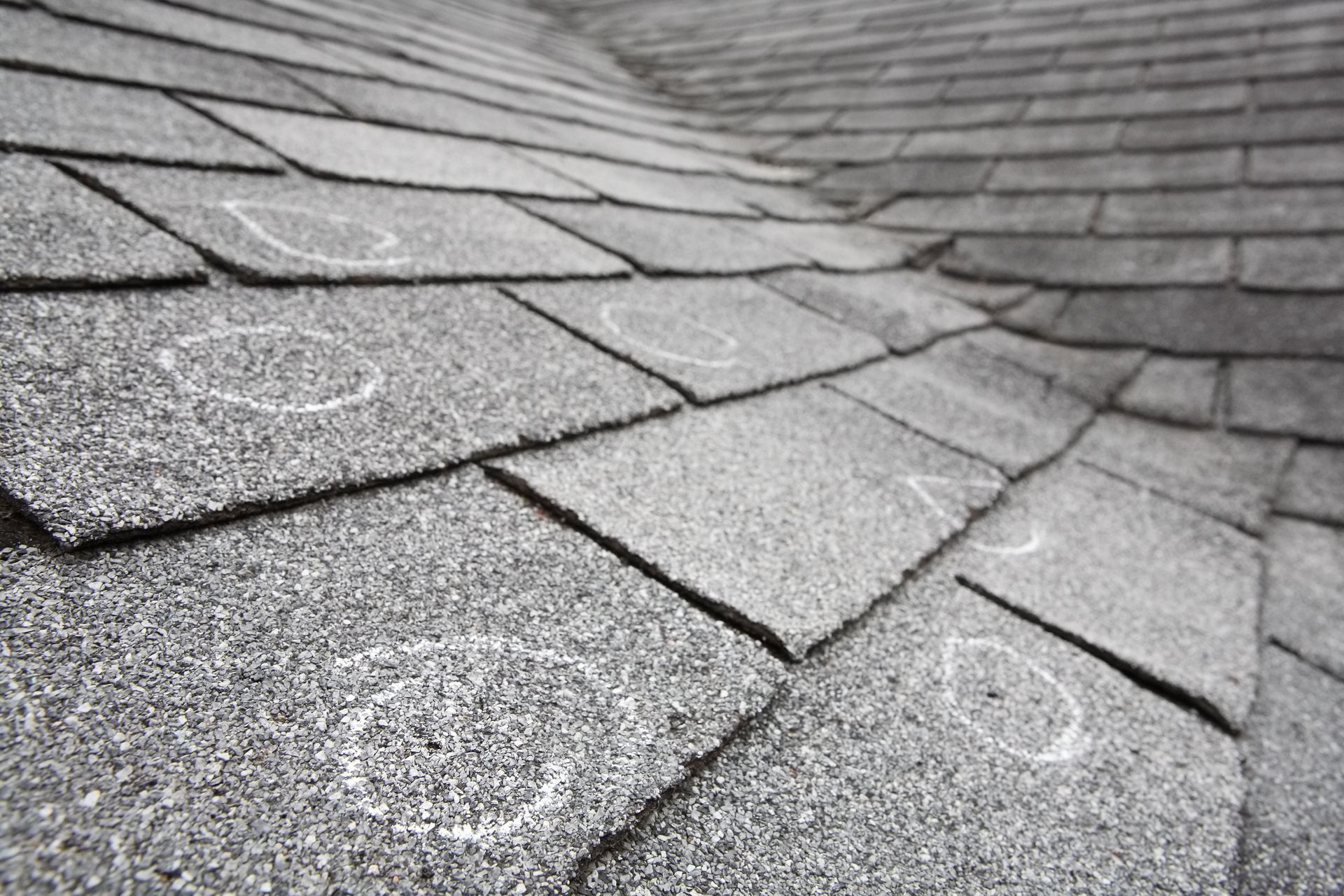
Inspecting the outer surface of your roof is crucial for identifying physical damage to your weather barrier. Safety is paramount during any exterior evaluation, so always use a heavy-duty ladder properly secured on level ground. Look carefully for cracked, missing, or curling shingles, as well as granular loss along the drainage valleys. Pay close attention to any accumulated debris, tree branches, or ice dam buildup that could block natural water runoff. Scheduling a professional inspection with a qualified roofing contractor after fierce weather events ensures that hidden shingle damage is caught early.
Flashing and ventilation components play a vital role in any residential roofing system by directing water away from vulnerable structural seams and joints. Damaged, rusted, or improperly sealed flashing around chimneys, skylights, and dormers can lead to severe water infiltration inside the home. Inspect vent pipes, rubber boots, and roof penetrations for signs of cracking, loose nails, or missing caulk. Performing routine home maintenance includes checking these flashing components annually to catch failing seals before heavy rains cause widespread interior water damage.
If the exact source of the leak remains elusive despite a thorough visual sweep, a controlled water test can be a highly effective location method. Enlist a partner to stay inside the attic with a flashlight while you carefully spray a garden hose over targeted sections of the roof. Systematically hose down one isolated section at a time, starting at the lower eaves and moving upward toward the ridge line. This methodical, proactive approach minimizes accidental water damage while pinpointing hard-to-see hairline cracks in the underlying underlayment.
Immediate Temporary Fixes
A heavy-duty waterproof tarp serves as an excellent temporary protective barrier against continuous water intrusion during an active storm. Carefully roll the tarp over the damaged roof section, extending it past the ridge line to prevent water from running underneath the top edge. Securely fasten the tarp using wooden furring strips and roofing nails, or anchor it with sandbags to hold it firmly against high wind gusts. This essential stopgap solution protects your living space until a licensed roofing contractor can perform permanent structural repairs.
Roofing cement offers a fast, accessible remedy for sealing minor punctures, cracked shingles, and small flashing gaps. Apply the thick asphalt cement generously over localized cracks using a putty knife, ensuring it completely fills all surrounding crevices. This temporary patch prevents immediate water ingress until professional material replacement can be arranged. Applying roofing cement in dry conditions guarantees optimal adhesion, providing dependable short-term protection against incoming weather fronts.
For small gaps along roof seams, silicone sealant or specialized exterior caulk provides a quick and effective temporary fix. Using a high-pressure caulk gun, apply the sealant along the edges of damaged shingles, around chimney flashing, and across cracked vent pipe collars. As a fast-drying compound, exterior sealant provides immediate relief while you arrange for a comprehensive professional inspection. Rechecking these sealed areas following major temperature shifts is recommended to ensure the temporary bond remains intact.
Once the exterior roof surface is temporarily stabilized, your immediate attention must turn toward managing interior water damage. Place buckets under active ceiling drips, poke a small hole in sagging drywall to release pooled water, and use commercial floor fans or dehumidifiers to accelerate drying. Swiftly removing water-soaked carpets and furniture dramatically reduces the risk of toxic mold growth. Documenting all personal property damage with clear photos provides critical evidence when filing subsequent insurance claims.
Long-term Repair Solutions
Hiring a certified roofing contractor for a comprehensive, professional inspection guarantees that all underlying structural issues are correctly diagnosed and repaired. Industry experts possess specialized tools, safety gear, and moisture meters to locate obscure leaks that escape visual detection. Professional contractors provide tailored repair solutions aimed at maximizing your home's long-term weather resistance. According to This Old House, you should get your roof inspected once a year or after any major weather event.
Flashing failures contribute significantly to recurring roof leaks, making specialized professional intervention a necessity for lasting protection. A seasoned roofing contractor can evaluate the true extent of metal corrosion and recommend custom flashing fabrication or total replacement. Utilizing high-grade aluminum or copper materials creates a durable, weather-tight seal against driving rain. Proper installation techniques, including step-flashing integration along vertical walls, are crucial for long-term water diversion.
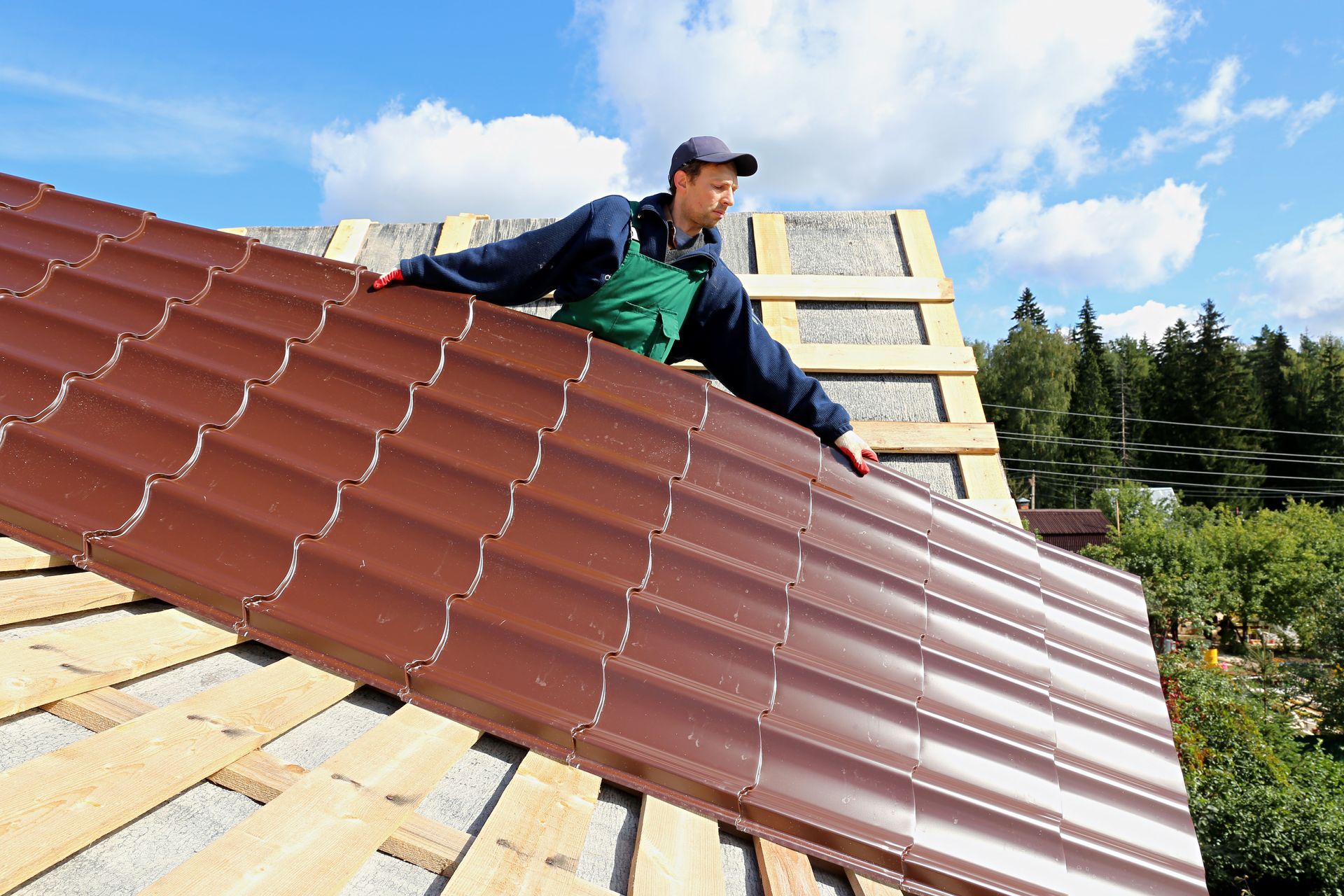
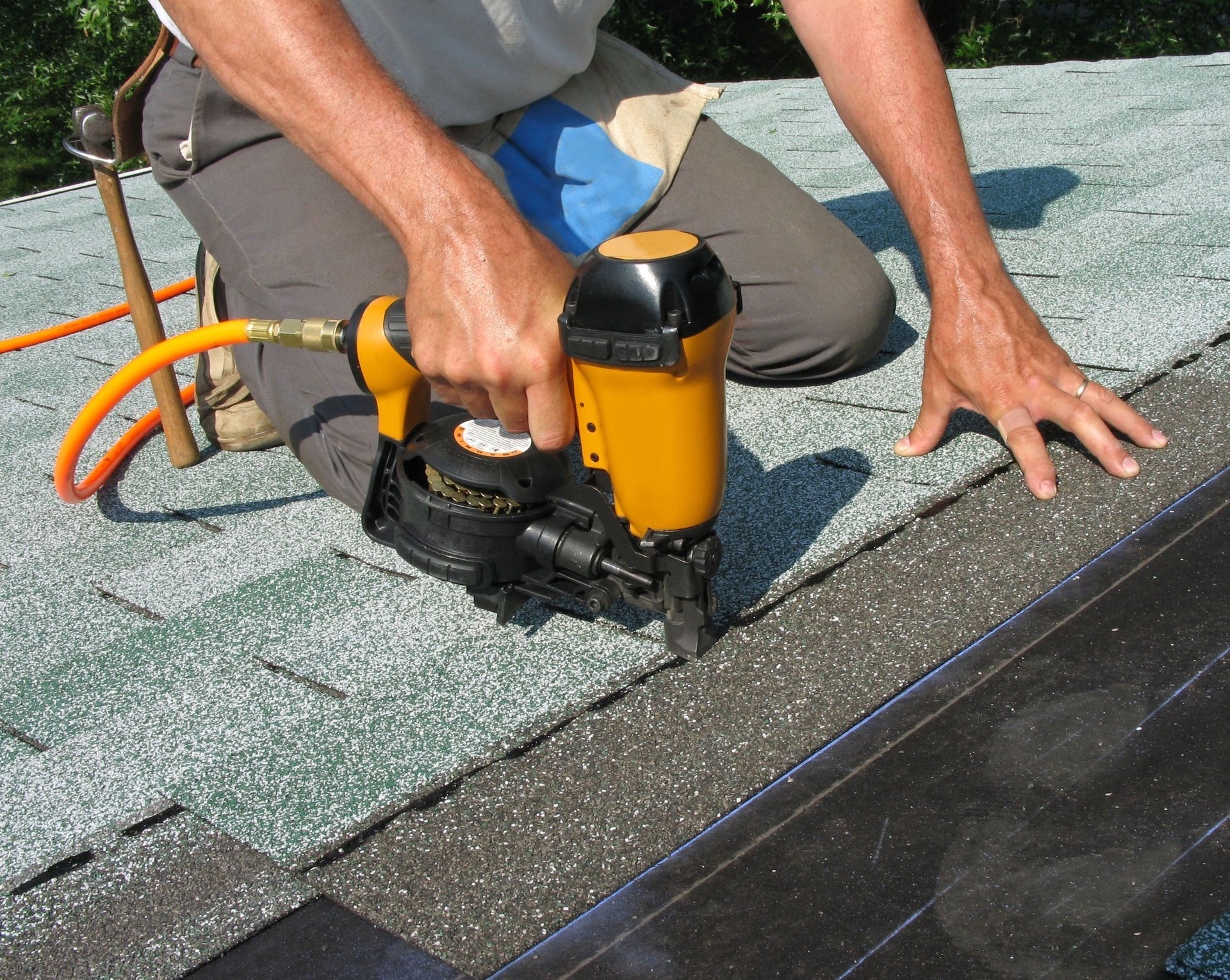
Complete shingle replacement becomes necessary when significant aging, widespread hail damage, or extensive storm loss affects broad areas of your roof plane. Selecting high-performance architectural shingles suited to your specific regional climate ensures maximum wind and impact resistance. Professional installers meticulously layer each shingle course to form a seamless, weather-resistant outer shell. Investing in full shingle replacement enhances your property's curb appeal while providing decades of reliable structural protection.
Beyond superficial shingle fixes, it is vital to repair any underlying structural damage caused by persistent water infiltration. Rotted plywood sheathing, sagging rafters, and compromised ceiling joists require immediate structural reinforcement to prevent hazardous ceiling collapses. Skilled carpenters must remove all soft, water-damaged wood and install pressure-treated structural supports. Comprehensive structural evaluations preserve the overall safety and physical value of your residential investment.
Addressing a residential roof leak requires a swift, organized response combining short-term mitigation, thorough structural repairs, and proactive preventative care. By taking immediate steps to isolate leaks, protect interior belongings, and apply temporary covers, homeowners can successfully minimize water damage to their property. However, long-term security relies on partnering with a licensed, experienced professional to perform detailed repairs and regular system maintenance. Establishing consistent inspection habits, keeping gutters clear, and planning financially for future updates preserves your roof's integrity for years to come. When you need immediate leak repair, professional storm damage inspection, or a complete roof evaluation from a trusted local roofing contractor, contact the expert team at Alabama Roofing Professionals today to schedule your service consultation!