September 7, 2026
Discover the essentials of roof inspections for first-time homeowners. This guide helps you understand why roof inspections are important, what to look for, and when to schedule an evaluation. Home maintenance covers a vast array of tasks, and roof care is often overlooked by new property owners. Yet, the condition of your roof has significant implications for the safety, value, and structural integrity of your property. Learning how to identify minor issues early prevents expensive structural damage and extends the service life of your overhead shelter. This article covers fundamental aspects of roof inspections to aid homeowners in making informed decisions.
Understanding the Importance of Roof Inspections
Your home is one of the biggest investments you will make, and the roof is its primary line of defense. Regular roof inspections ensure that you address minor issues before they escalate into massive structural failures, protecting your real estate asset. A well-maintained roof increases property resale value and offers daily peace of mind. Essential inspections also prevent sudden, unexpected costs that can drastically impact your financial stability. A complete structural replacement is one of the most expensive property updates a homeowner can face, making routine maintenance through regular inspections financially prudent.
Regular roof inspections allow homeowners to identify minor flaws early, preventing them from developing into significant structural repair projects. Small problems, such as a missing shingle or a tiny flashing gap, can quickly snowball into extensive interior water damage and mold proliferation. Investing in routine inspections saves thousands of dollars in future restoration costs while reducing the risk of compromising the underlying roof decking. According to This Old House, over the past three years, nearly 31% of homeowners nationwide have pursued roof renovation, repair, or maintenance projects, highlighting the growing commitment to timely interventions.
A well-maintained roof is equally essential for the physical safety of those living beneath it. Professional inspections detect hidden structural weaknesses, dry rot, or sagging framing that poses immediate physical dangers to occupants. Unaddressed roof leaks allow moisture to enter interior wall cavities, fostering toxic mold growth that causes serious respiratory health issues. By staying on top of routine checks, you minimize these environmental risks and ensure a secure living space. Deferring basic maintenance can even lead to partial structural collapse during severe winter storms when heavy snow accumulates on compromised framing.
Routine inspections play a crucial role in prolonging the total service life of your roofing system. Promptly addressing minor wear caused by severe weather exposure extends the functional life of your shingles and underlayment. Each time you execute a targeted roof repair, you add functional years to your system, maximizing your initial capital investment. Manufacturers provide lifespan estimates based on properly maintained materials, meaning that ignoring regular checks drastically reduces overall durability. Maintaining your overhead shelter preserves curb appeal, enhances thermal efficiency, and keeps your property looking its best.
When to Schedule a Roof Inspection
Scheduling a comprehensive roof inspection is vital during the home purchasing process to avoid unexpected expenses after closing. Knowing the exact condition of the roof gives you stronger negotiation leverage and a clear forecast of upcoming maintenance requirements. A professional evaluation provides clear insights into the remaining useful life of the shingles and reveals existing hidden damage. It also ensures that you will not face insurance coverage denials due to unaddressed pre-existing degradation. Taking this proactive step ensures that you make a safe investment when acquiring your new residence.
Severe storms, high wind gusts, and heavy hail cause immediate roof damage that is rarely visible from ground level. After major weather events, scheduling a thorough inspection is necessary to assess functional impact. Trade professionals spot subtle issues that untrained eyes easily miss, such as lifted shingle seals, hail impact bruising, or displaced flashing. Ignoring post-storm checks allows minor water intrusion to rot internal framing long before leaks appear on your interior ceilings. Verifying your roof's integrity preserves total peace of mind.
Aligning roof checks with seasonal changes ensures your home is prepared for harsh climate shifts. Scheduling an inspection in late autumn identifies loose shingles, failing sealants, or compromised insulation before heavy winter snow arrives. Similarly, a spring check evaluates structural damage caused by winter ice dams and prolonged moisture exposure. Inspecting your roof prior to summer heat ensures that thermal expansion will not warp damaged shingles. Incorporating seasonal reviews maintains a resilient barrier year-round while revealing when a minor roof repair is needed to restore complete weatherproofing.
Visible indicators of exterior wear demand immediate professional evaluation. Broken or missing shingles, sagging ridge lines, excessive granule accumulation in gutters, and water stains on interior drywall are clear warnings that require prompt action. Ignoring visible damage allows water to penetrate deep into subflooring and ceiling joists, driving up costs exponentially. Establishing a consistent bi-annual maintenance checklist ensures minor vulnerabilities are caught early, creating an official record of property care that proves invaluable when filing insurance claims or selling your home.
DIY Roof Inspection Tips
Executing a preliminary DIY roof inspection requires proper safety tools and careful execution. A sturdy extension ladder, supportive footwear with anti-slip soles, and heavy-duty work gloves provide essential stability. Utilize a high-powered flashlight when exploring attic spaces to spot water stains, mold growth, or daylight shining through the roof deck. Rather than walking directly on steep or fragile shingles, use a pair of high-powered binoculars from ground level to observe your roofline safely. Carrying a notebook or smartphone allows you to document specific areas of concern for your contractor.
Checking shingles represents a vital phase of your DIY visual inspection, as they form the primary defense against heavy rainfall and sunlight. Look closely for cracked, curled, or missing shingle tabs that expose underlying underlayment to the elements. Dark streaks indicate algae growth, while significant granule loss signals that asphalt shingles are reaching the end of their functional lifespan. Identifying worn surfaces allows you to schedule a localized roof repair before water penetrates the interior sheath. Routine visual checks prevent widespread decay and keep your protective barrier fully operational.
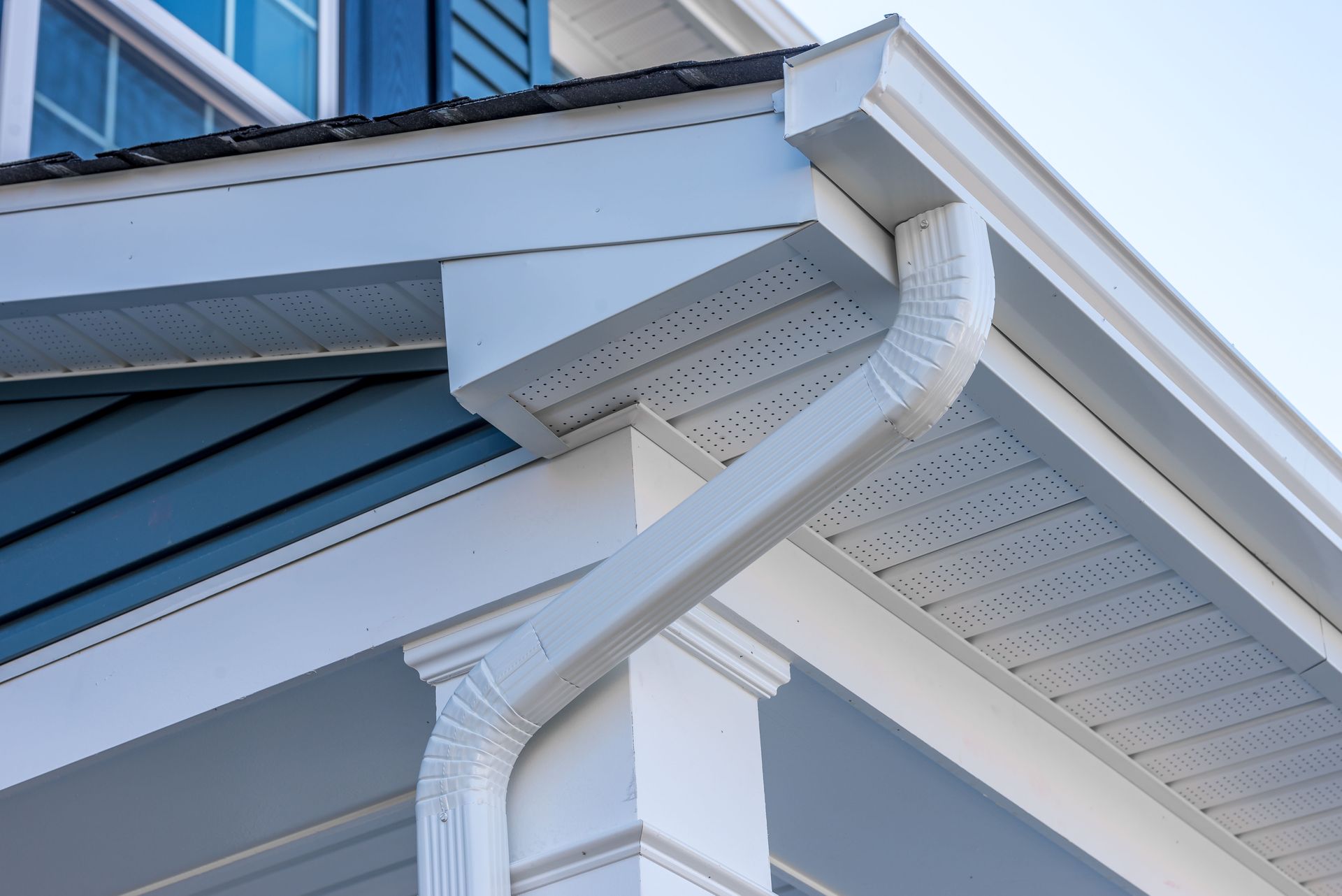
Flashing acts as a critical weatherproofing seal around chimneys, plumbing vents, skylights, and dormer joints. During your inspection, examine metal flashing for rust spots, loose nails, physical bends, or cracked caulking. Compromised flashing is one of the leading causes of sudden roof leaks, as wind-driven rain easily penetrates gaps in metal joints. Furthermore, clear your gutters and downspouts regularly to prevent water from backing up beneath the lower shingle course. Blocked drainage systems lead to severe fascia board rot, ice dam formation, and foundation erosion.
Spotting early signs of interior water leakage is vital for mitigating structural damage. Check your attic insulation for dampness, compacted materials, or musty odors that signal poor ventilation or active water ingress. Examine upper-story ceilings and interior walls for yellowish water rings, peeling paint, or bulging drywall. Fixing active leaks immediately prevents wood rot, preserves structural integrity, and stops interior mold from spreading. Combining simple DIY interior checks with professional exterior evaluations provides comprehensive protection for your home.
Regular roof inspections are essential for maintaining the safety, structural integrity, and financial value of your residence. Whether you perform visual DIY checks or hire experienced professionals, staying proactive with roof care prevents unexpected structural failures and costly emergency repairs. A well-maintained roof delivers dependable weather protection, improves energy efficiency, and offers complete peace of mind through every season. Consistently scheduling inspections, executing timely repairs, and keeping thorough maintenance records ensures that your home remains fully protected against environmental hazards. When you need expert inspections, reliable craftsmanship, and professional care for your roof, trust the experienced team at Alabama Roofing Professionals to keep your home safe and secure.