September 8, 2026
Replacing your old roof with a durable steel or aluminum structure is a major home improvement project that completely transforms your home's exterior protection. Understanding the daily schedule of construction helps homeowners prepare for noise, property access, and contractor communication during major renovation work. Hiring a reputable metal roofing company provides a clear project schedule that simplifies complex construction phases into manageable steps.
From initial site preparation to final municipal walkthroughs, knowing what occurs each day keeps project expectations realistic and manageable. A smooth installation process secures long-term weather protection while giving homeowners confidence in their investment for decades.
Preparing the Jobsite and Delivering Materials
Construction begins bright and early as delivery trucks transport steel panels, underlayment rolls, flashings, and specialized fasteners directly to your driveway. An experienced metal roofing company strategically positions dumpsters, protects surrounding flower beds with heavy-duty tarps, and sets up staging areas. Crew members establish safety perimeters, inspect delivered materials for shipping damage, and organize tools required for the upcoming tear-off phase.
Clearing immediate outdoor areas allows workers to move freely without damaging potted plants, patio furniture, or air conditioning condenser units. Proper organization on this initial morning lays a solid foundation for efficient, safe construction throughout the entire project timeline.
Removing Old Shingles and Cleaning Roof Substrates
Stripping away worn asphalt shingles or aged wood shakes down to the bare wooden decking represents a physically demanding construction milestone. Working systematically from the peak down, roofers utilize specialized tear-off forks to pry up old roofing layers and underlying nails cleanly. Debris falls directly into protective chutes, keeping your yard clean and free of dangerous stray fasteners.
Once workers remove old materials, crew members sweep the plywood decking thoroughly to expose any hidden water damage, warped boards, or rotted plywood. Preparing a pristine deck ensures that subsequent underlayment layers lie flat, preventing structural unevenness beneath new metal panels.
Inspecting Wooden Sheathing and Repairing Decking Damage
Examining exposed plywood sheets reveals structural weaknesses caused by historical leaks, persistent condensation, or insect infestation over previous years. A licensed metal roofing company carefully tests suspicious decking sections, replacing soft or decayed wooden boards with fresh, sturdy exterior-grade plywood sheets. Contractors re-nail loose panels to rafters, establishing a completely solid structural foundation that supports heavy wind loads safely.
Ensuring structural soundness prevents future sagging issues, securing panel fasteners tightly against high wind uplift forces. Taking time to repair damaged decking now protects your home against internal structural issues, providing absolute stability before installers lay down high-performance underlayment materials.
Laying Synthetic Underlayment and Waterproofing Critical Edges
Installing advanced synthetic underlayment provides an essential secondary moisture barrier that protects exposed wooden decking against harsh weather elements. Technicians roll out heavy-duty water-resistant membranes across the entire deck, overlapping seams according to strict manufacturer specifications. Installers apply self-adhering ice and water shields along eaves, valleys, sidewalls, and chimney flashing areas prone to severe ice damming.
According to GM Insights, the U.S. Department of Energy claims that a cool metal roof can save homeowners up to 25% in cooling costs each year. Proper underlayment installation enhances thermal efficiency, blocking moisture intrusion while maximizing home energy savings throughout hot summer seasons.
Fastening Drip Edges and Preparing Perimeter Flashings
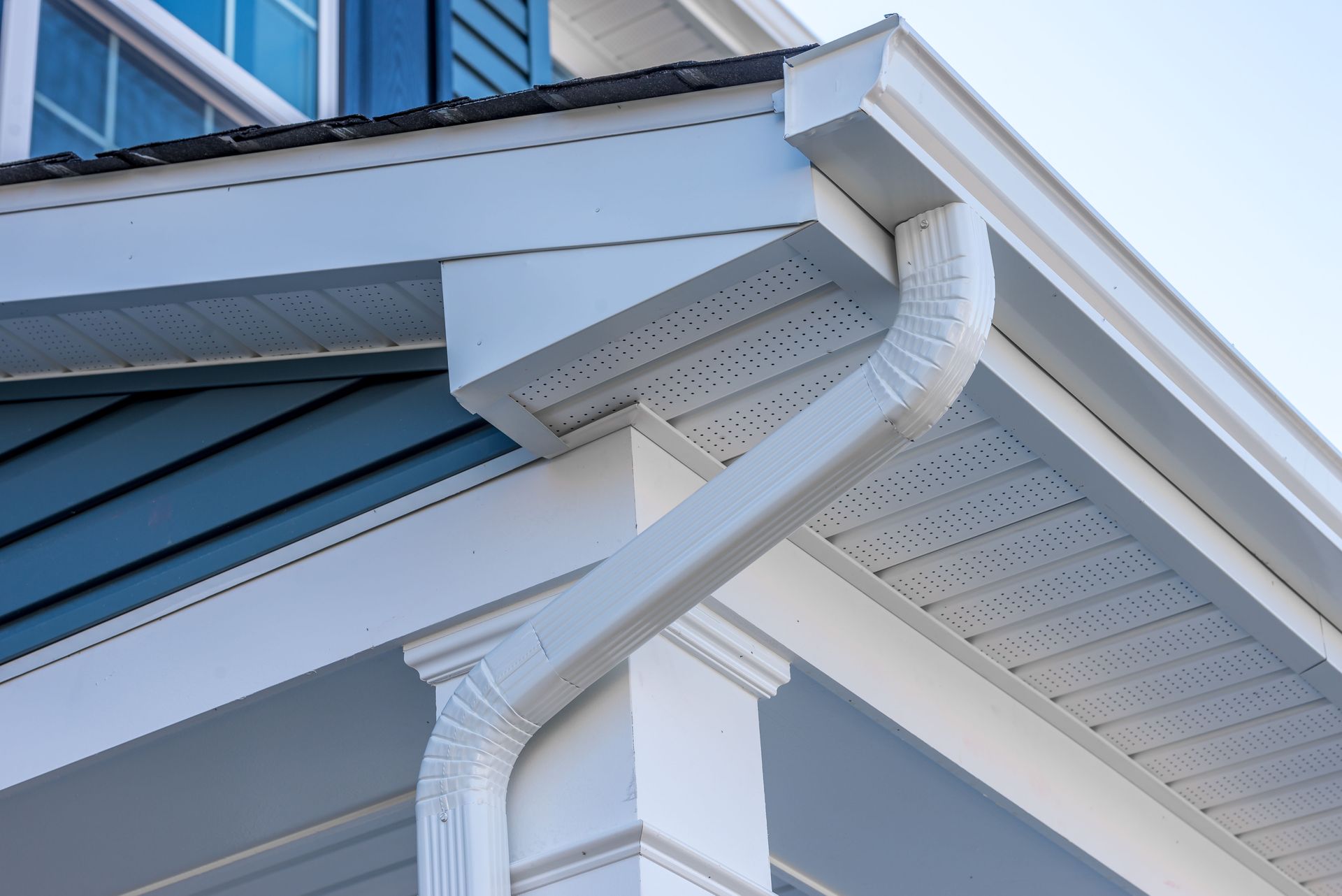
Securing heavy-gauge metal drip edges along eave perimeters prevents wind-driven rain from seeping under panel edges and damaging underlying fascia boards. Skilled installation technicians align perimeter flashings precisely, utilizing corrosion-resistant fasteners spaced evenly along outer building boundaries. Proper flashing placement directs water runoff safely away from wooden roof structures and directly into seamless gutter systems below.
Installers carefully notch perimeter metal joints at roof corners, creating watertight seals that withstand severe winter freeze cycles. Establishing rigid metal perimeters protects vulnerable building edges, ensuring structural integrity before contractors begin hoisting primary standing seam or corrugated metal panels overhead.
Hoisting Metal Panels and Aligning Panel Sequences
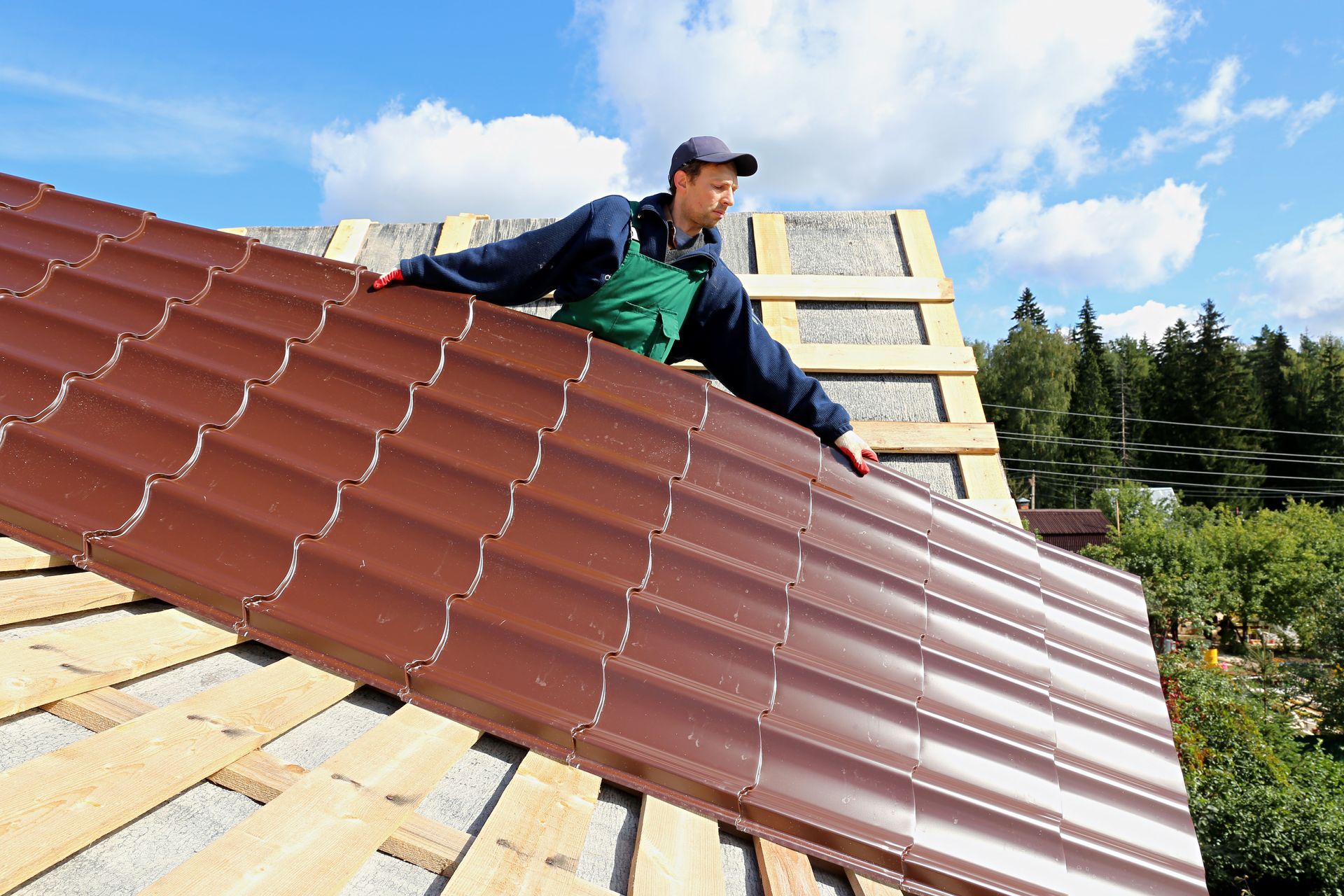
Transporting custom-cut steel or aluminum panels onto upper levels requires careful manual labor and specialized mechanical hoisting equipment. A professional metal roofing company verifies roof pitch measurements before locking the first starter panel securely along outer gable edges. Precision alignment during this initial panel placement is critical, as a slight miscalculation magnifies across expansive roof surfaces.
Installers utilize laser levels and snap chalk lines across underlayment to maintain perfect vertical orientation across every installed section. Aligning panels meticulously prevents unsightly seam curving, ensuring that every interlocking panel seam aligns flush across entire residential roof slopes.
Securing Interlocking Panels and Fastening Concealed Clips
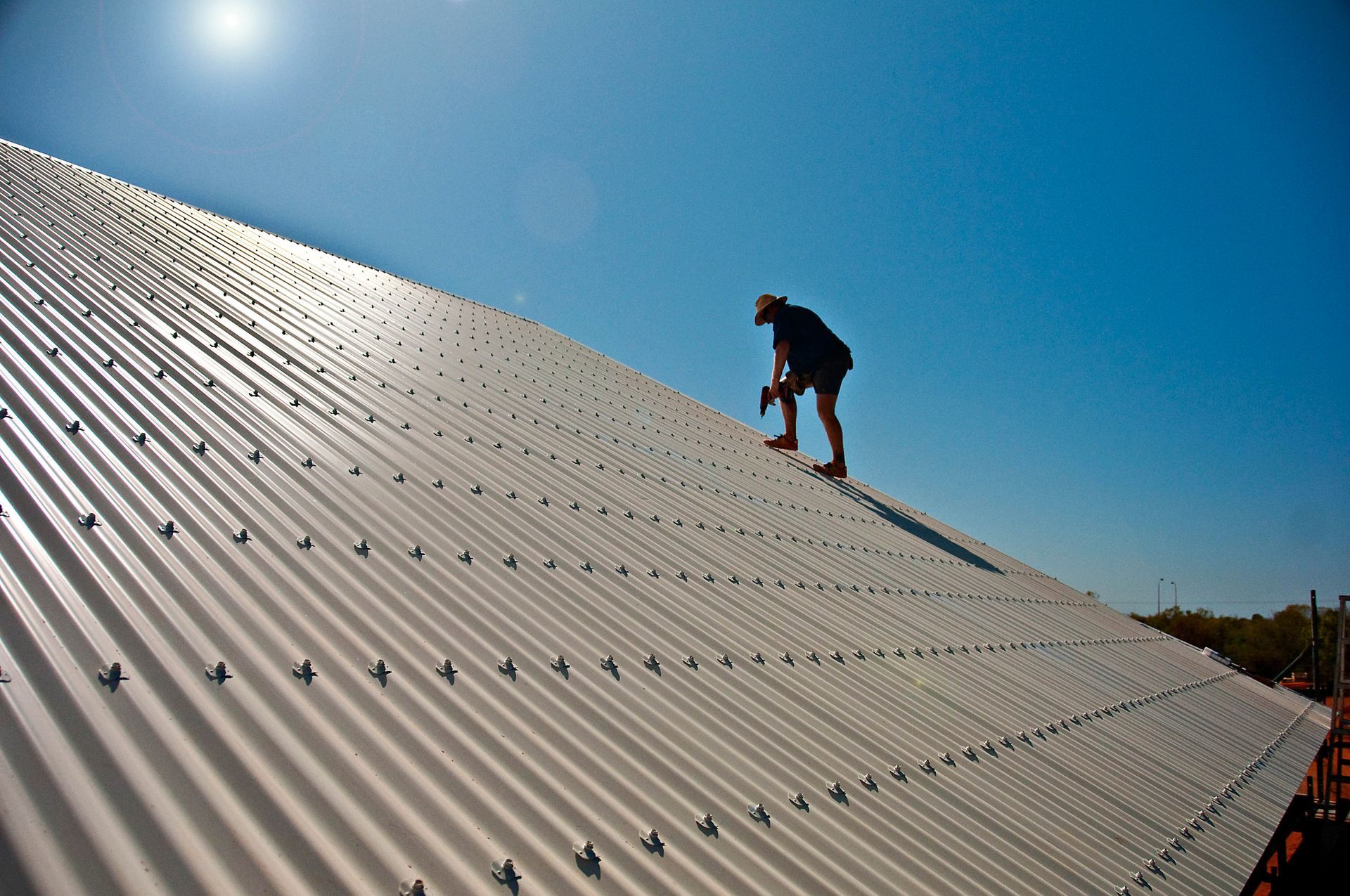
Attaching panels to wooden decking involves driving engineered concealed clips or screws into precise locations along panel ribs. Technicians lock adjacent panel seams together using mechanical seaming tools or snap-lock mechanisms, forming impenetrable watertight barriers across roof planes. Concealed clip systems permit natural thermal expansion and contraction, preventing panel buckling or oil-canning distortions during extreme temperature fluctuations.
Installers carefully monitor screw torque settings, preventing overtightened rubber washers from splitting or under-tightened fasteners from leaking during heavy downpours. Fastening every panel securely keeps your roof structurally sound during severe thunderstorms, high winds, and heavy winter snow accumulation.
Flashing Roof Penetrations and Sealing Complex Valleys
Sealing openings around vent pipes, skylights, chimneys, and roof valleys demands expert craftsmanship and specialized metal bending skills. Crew members fabricate custom flashing boots and counter-flashings on-site using portable metal brakes, shaping metal sheets around complex roof penetrations. Technicians weave heavy-gauge valley metals underneath overlapping panel edges, ensuring unobstructed drainage pathways for heavy stormwater runoff.
Applying high-grade butyl sealants along hidden flashing provides permanent secondary defenses against wind-driven rains and blowing snow. Customizing flashings around architectural obstacles eliminates common leak points, protecting interior ceilings and attic spaces from unexpected moisture intrusion for decades.
Installing Ridge Caps and Optimizing Roof Ventilation
Attaching engineered ridge cap systems along peak lines seals upper panel junctions while promoting proper air circulation throughout attic spaces. Installers fit perforated ridge vent strips beneath raised cap panels, allowing hot, humid interior air to escape naturally from upper attic zones. Securing ridge caps with color-matched hex head fasteners unifies roof lines, establishing a crisp, modern architectural profile across your home exterior.
Balanced attic ventilation reduces summer cooling loads while preventing winter ice dams from forming along lower eave lines. Completing upper ridge details closes the roof envelope completely, transforming individual metal sheets into an integrated, highly efficient protective system.
Cleaning the Site and Performing Magnetic Sweeps
Clearing construction debris from surrounding yards restores your property to pristine condition immediately after upper installation work concludes. Dedicated field workers remove tarps, haul away discarded packaging, and pack up specialized scaffolding, ladders, and power tools safely. A conscientious metal roofing company operates heavy-duty rolling magnetic sweepers across driveways, lawns, and walkways to collect fallen metal shavings, loose screws, and stray nails.
Removing sharp metallic waste protects family members, pets, and vehicle tires from accidental punctures or injuries. Leaving your property clean and hazard-free completes the physical labor phase, leaving behind only a beautiful, long-lasting residential structure.
Investing in a new steel or aluminum system from a metal roofing company transforms your property into an energy-efficient, weather-resistant sanctuary that stands strong for generations. Following a clear, structured daily schedule ensures that tear-off, decking repairs, underlayment application, panel installation, and final inspections proceed smoothly without unnecessary stress.
Professional contractors manage every technical detail with precision, turning complex structural modifications into a seamless home improvement project. Beyond stunning architectural curb appeal, your upgraded roof delivers substantial annual energy savings while requiring minimal long-term maintenance.
Completing your installation project secures total peace of mind, knowing your home remains thoroughly protected against harsh weather elements for decades to come. Are you seeking a professional-level metal roofing company in North, South, and Central Alabama? Alabama Roofing Professionals have you covered! Contact us today to schedule a service appointment.